
During the Bahrain Formula 1 test, Lewis Hamilton’s unusually long engine rev of 22 seconds sparked speculation that Ferrari may be using a strategic edge in race starts under the 2026 F1 engine regulations. Technical expert Sam Collins highlighted that this lengthy rev might not have been accidental, suggesting Hamilton was possibly leveraging Ferrari’s advantage in launch control techniques.
The new era in F1 involves engines with a balanced 50/50 split between electrical and combustion power. This shift has generated significant discussion around specific technical challenges, especially relating to race starts, as teams adapt to the removal of the MGU-H unit which previously masked turbo lag during low revs.
Engine Changes Impact Race Starts Differently Across Teams
The elimination of the MGU-H means cars take longer to reach the optimal state for launching at the start of a race. Most manufacturers face delays in setting up the car’s ideal race start condition due to increased turbo lag, but Ferrari appears to be an exception according to observations from competitors.
Mercedes driver George Russell noted,
“I think Ferrari seem to be able to run higher gears than other manufacturers, which probably suggests they’ve got a smaller turbo than other manufacturers. So maybe they’re in a slightly easier position for their race starts,”
illustrating how Ferrari’s engine design may afford them an advantage off the line.
Ongoing Concerns About Safety and Fairness in 2026 Race Start Procedures
Safety concerns related to race starts under the new regulations have prompted calls for urgent review and change. At the Bahrain test, Sam Collins observed teams practicing race launches and highlighted friction regarding proposed adjustments to the start sequence for 2026.
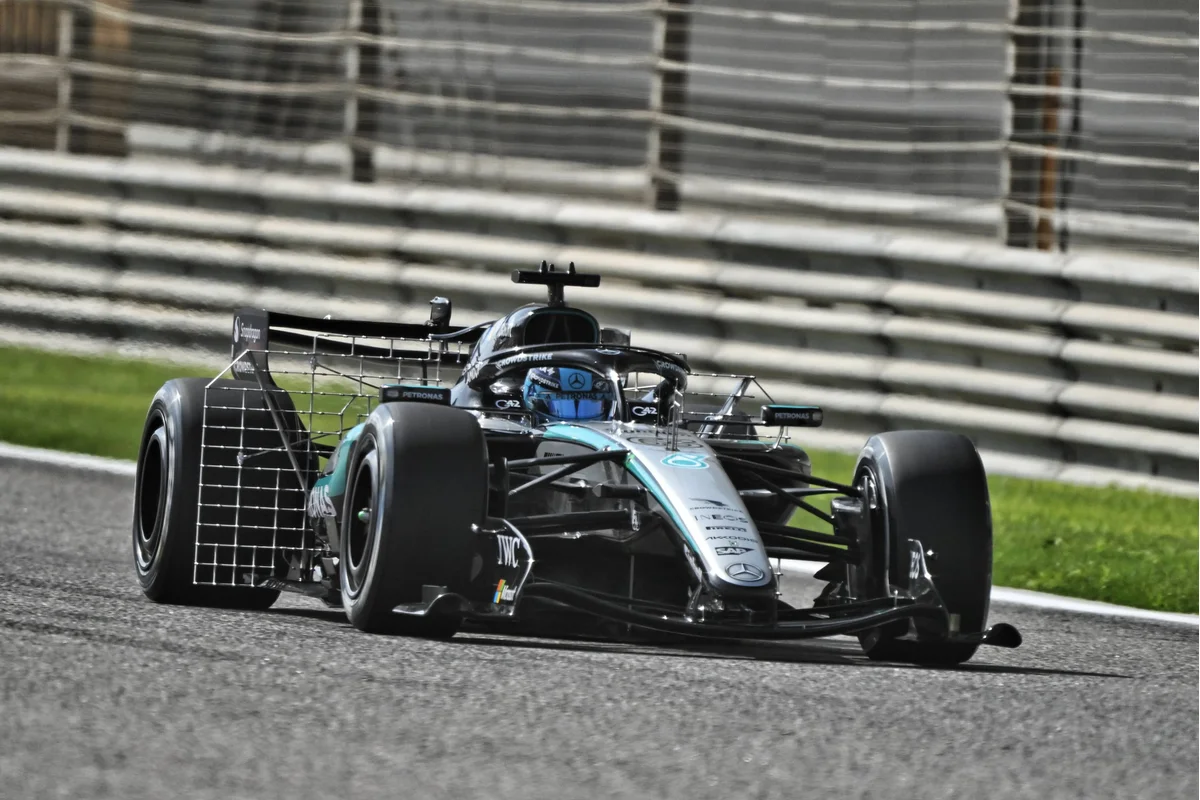
Collins described efforts to alter the start sequence being reportedly blocked by Ferrari. While standing on the pit lane, he witnessed Hamilton revving his car for an extended period as the only driver to do so at such length, which fueled speculation. Collins remarked,
“Now some teams have tried to get the start sequence changed for the 2026 racing season,”
and added,
“Apparently, it has been blocked by this team,”
pointing to Hamilton’s car. When asked about Hamilton’s long rev, Collins stated,
“Actually I believe that he might have done,”
suggesting intentionality behind the action.
The incident became widely viewed on social media, garnering 3.8 million views on X by Monday morning. Some commenters disagreed on Hamilton’s motives, prompting Collins to clarify,
“He certainly stopped much closer to us than everyone else, don’t know why.”
Fellow commentator Alex Brundle defended Collins against accusations of bias, commenting,
“Oh mate, Sam is one of the nicest blokes ever,”
and added that Collins is usually accurate in his observations.
Regulatory Discussions and Driver Perspectives on Race Starts
The FIA and Formula 1 Commission plan to address race start protocols following simulations, technical checks, and feedback from testing in Bahrain. Ferrari reportedly opposed a 2025 proposal to introduce a minimum time or delay for the last car to form up on the grid, highlighting divisions among teams on how to manage starts fairly under the new power unit format.
Several drivers expressed their worries about the impact of the updated engine regulations on race starts. Oscar Piastri emphasized the increased risks, stating,
“The difference between a good and bad start last year was you got a bit of wheelspin or you had a bad reaction time,”
and warning that this year, poor launches could cause a driver to lose multiple positions quickly. He added,
“It’s whether we use straight mode at the start or not as well, because I think a pack of 22 cars, with a couple hundred points less downforce, sounds like a recipe for disaster to me.”
Alpine’s Pierre Gasly urged fans to watch the Australian Grand Prix closely, predicting the start could be exceptionally challenging and memorable. He commented,
“I advise you to be sitting with your TV on in Australia, because it could be one that everybody remembers,”
and admitted,
“We’ll find out [what happens]. I’m not too sure myself! It is definitely going to be more tricky than it used to be.”
Implications for Teams and the 2026 Formula 1 Season
Hamilton’s lengthy engine rev at Bahrain spotlights ongoing tensions and strategic maneuvers surrounding the launch procedures under the new powertrain regulations. Ferrari’s apparent advantage in race starts, combined with their reported opposition to regulatory changes, raises questions about competitive balance and safety as teams adapt.
The upcoming discussions at the F1 Commission meeting, alongside the FIA’s ongoing evaluations, will likely shape the rules governing race starts in 2026 and potentially impact race strategies and team dynamics across the grid. Drivers’ concerns underscore the need for clear, equitable procedures to avoid chaotic or unsafe starts amid the evolving technical landscape of Formula 1.

