
Following the conclusion of an extended 2026 testing period in Bahrain, key insights into team performances and car development have surfaced ahead of the Australian Grand Prix scheduled for March 6-8 in Melbourne. Lewis Hamilton’s preparation has been notably impacted by technical difficulties during these sessions, raising concerns about his readiness for the upcoming season under the new regulations.
The extensive testing included a prior shakedown in Barcelona and two official three-day tests in Bahrain, designed to help teams adapt to new power units and chassis. These developments have presented challenges and shaped expectations for the season opener while offering a glimpse of the competitive landscape for 2026.
Dominance of Established Leading Teams in Early 2026 Testing
Despite hopes from several teams outside the traditional leaders that new technical rules might disrupt the status quo, the top four teams—Ferrari, McLaren, Mercedes, and Red Bull—have maintained their dominance. Testing data indicates these squads continue to hold a substantial advantage over their rivals, though the gap between them appears narrower than in previous years.
Throughout the Bahrain tests, these teams have exchanged positions as the fastest on track, creating an uncertain but thrilling battleground as the season approaches. Andrea Stella, McLaren’s team principal, expressed that Mercedes and Ferrari currently seem a step ahead of his team and Red Bull, reflecting sentiments shared widely across the paddock.
Ferrari’s Charles Leclerc set the quickest lap at Bahrain, highlighting Ferrari’s strong pace, particularly during the final sessions. While race simulation performances have closely matched across the leading teams, there is speculation about the extent to which some may be concealing their true pace, with Mercedes believed by many to have additional performance in reserve for Melbourne.
Technical Difficulties Hurt Hamilton’s Testing Progress
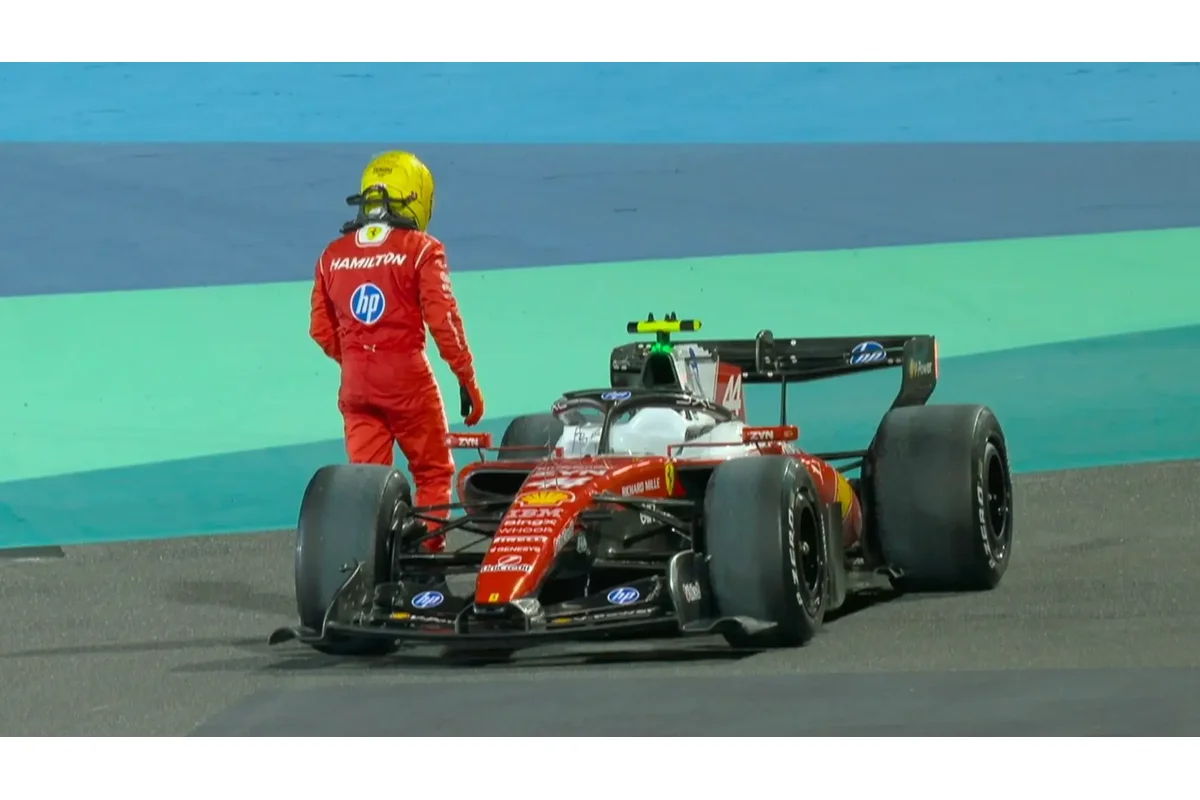
While Ferrari enjoyed relative reliability during the early testing days, Lewis Hamilton faced significant setbacks after assuming the car from teammate Charles Leclerc midweek. Technical failures restricted Hamilton’s track time by 90 minutes on Wednesday, followed by another issue limiting him to only five laps on Thursday morning.
Although Hamilton managed 79 laps later on Thursday, overall he completed 71 fewer laps than Leclerc during the week, a considerable disadvantage given the importance of track time for adaptation to the new car. Coming off a challenging debut Ferrari season, Hamilton’s inability to complete comprehensive runs raises questions about his preparation and confidence heading into the season.
Hamilton has also voiced frustration regarding the absence of a permanent race engineer for the early rounds, which adds to the uncertainty surrounding his start to 2026. His limited media engagement during testing, occurring prior to these technical issues, leaves his current mindset largely unknown.
Similarly, Mercedes faced reliability challenges, with reserve driver Kimi Antonelli bearing the brunt of the problems during Bahrain tests, possibly giving lead driver George Russell a comparative advantage owing to his greater experience.
Early Observations on Starting Procedures and Ferrari’s Advantage
The Bahrain tests revealed notable developments concerning race starts under the new regulations. A revised starting protocol was trialled to address concerns that previous procedures did not allow sufficient time for drivers to prepare their power units optimally before the race start.
Initially resistant to this change, Ferrari had engineered their power unit to excel within the original starting framework but ultimately acquiesced when the FIA added an extra five seconds between the last car taking position and the initiation of the start sequence. Even with this adjustment, Ferrari demonstrated outstanding performance off the line, with Hamilton impressing during multiple practice starts.
Other teams showed progress towards matching this starting proficiency by the later sessions, yet Ferrari’s starts remain an area to watch closely when competition begins in Melbourne.
Aston Martin Struggles Raise Serious Questions Ahead of 2026 Season
Once one of the more vocal teams promising to disrupt the established elite, Aston Martin’s Bahrain testing experience has been notably poor. Under the ownership of Lawrence Stroll and technical leadership from Adrian Newey, the team invested heavily in facilities and personnel expecting competitive gains, but these have yet to materialize.
The team logged only 128 laps across two test events, far fewer than newcomers Cadillac, who completed 266 laps. Aston Martin’s difficulties mainly stem from their Honda power unit, which is facing severe early issues after a previously dominant era powering Max Verstappen’s four consecutive championships from 2021 to 2025.
Mike Krack, Aston Martin’s chief trackside officer, acknowledged the scale of the challenge ahead, stating:
“a huge amount of work ahead”
to resolve the problems. Team owner Lance Stroll emphasized unity, saying they will stick together, but Fernando Alonso’s prospects may be dampened by such a difficult start to his quest for a final championship run at 44 years old.
The reality that Aston Martin is the sole user of Honda’s new power unit adds complexity to overcoming these technical obstacles, potentially negating even Newey’s design expertise if engine reliability cannot improve.
Assessment of Midfield Contenders Amidst Aston Martin’s Decline
With Aston Martin’s struggles removing them from immediate contention, Alpine and Haas have emerged as promising midfield contenders during early 2026 testing. Alpine, which effectively ended its 2025 campaign early, has shown encouraging progress powered by its new Mercedes engines, aligning with positive indications from Mercedes and its customer teams.
Despite recent controversies surrounding power unit regulations, Mercedes boss Toto Wolff expressed calm confidence regarding FIA’s proposed mid-season rule changes, alleviating some concerns for engine customers like Alpine, McLaren, and Williams.
Haas, under the direction of technical chief Ayao Komatsu, has also demonstrated competitive potential, with British driver Oliver Bearman finishing sixth on the final day of testing, just behind Alpine’s Pierre Gasly. Bearman, a product of Ferrari’s driver academy now racing on a multi-year loan to Haas, has openly voiced his ambition to eventually replace Lewis Hamilton at Ferrari.
Outlook for the 2026 Formula 1 Season Following Bahrain Testing
The Bahrain testing has laid bare the challenges facing several top drivers and teams as they approach the new season, particularly for Lewis Hamilton, whose setbacks contrast with the relative stability enjoyed by his teammate Charles Leclerc. The ongoing dominance of the ‘big four’ teams suggests that the championship battle will likely remain intense and closely contested, with few able to predict a clear favorite after testing.
Aston Martin’s problems cast a shadow over one of the sport’s most ambitious projects, placing pressure on Honda to resolve critical issues swiftly or risk a prolonged period of underperformance. Meanwhile, the resurgence of midfield teams like Alpine and Haas provides additional layers of competition and intrigue.
As the Formula 1 circus moves to Melbourne, much attention will focus on how teams translate testing performance into race pace, reliability, and strategic execution under the 2026 regulations. Qualifying sessions at Albert Park promise to deliver excitement and set the tone for what is anticipated to be a highly contested championship season.
