
During the recent Bahrain testing, Lewis Hamilton openly criticized the newly introduced Formula 1 rules, describing them as “ridiculously complex” and expressing frustration that current F1 cars feel slower than Formula 2 vehicles. As a seven-time world champion now driving for Ferrari, Hamilton’s sharp comments highlight growing concerns surrounding the new technical framework set for 2026.
Testing Reveals Challenges Behind Formula 1’s New Regulatory Approach
The initial rollout of Formula 1’s updated regulation package, unveiled as part of the sport’s 2026 vision, took place with all 11 teams on track in Bahrain. While the Ferrari SF-26, driven by Hamilton, showed promising reliability over 52 laps, the British driver focused attention on the complicated nature of the rule changes rather than the car’s performance.
Hamilton emphasized the difficulty in comprehending the regulations.
“No fan is going to understand this type of regulation,”
he remarked, signaling concern over the sport’s accessibility to its audience.
Hamilton Details the Overwhelming Complexity of the New Rules
According to Hamilton, understanding the new regulations necessitated no fewer than seven briefing sessions in a single day just for the drivers. He described the rules with blunt honesty:
“It’s ridiculously complex… you need a degree to fully understand it,”
which points to the intricate blend of technology embedded in the updated Formula 1 cars.
The 2026 regulations shift towards a near-equal split between electric power and combustion engines, focusing heavily on energy management, regenerative braking, and automated systems tuned to individual driving styles. While the changes represent high-tech innovation, Hamilton perceives them as creating a confusing maze that loses connection with traditional racing dynamics.
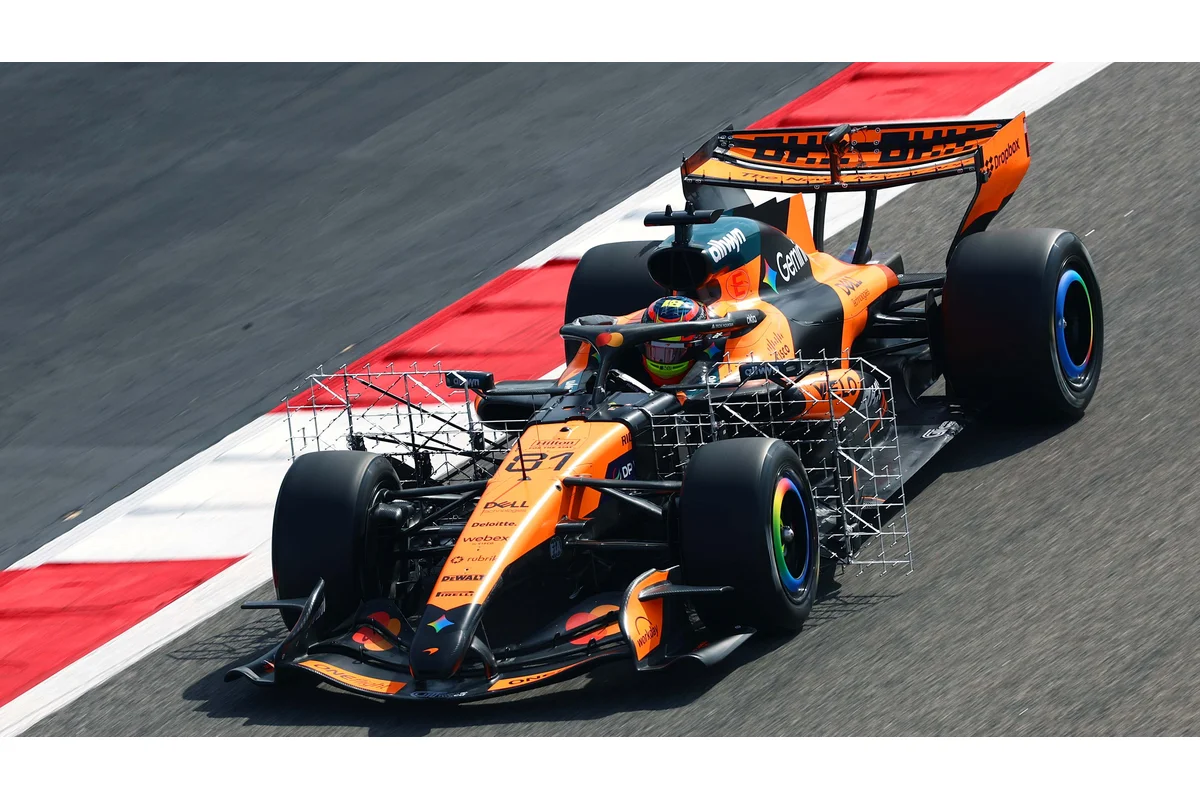
Reports from Bahrain’s media emphasize Hamilton’s worry that fans may struggle to discern the driver’s skill versus the influence of advanced software and algorithms, potentially diluting the sport’s appeal and clarity.
Comparing Current Cars to Formula 2: Hamilton’s Stark Observation
One of Hamilton’s most striking criticisms involved race pace, where he claimed:
“Right now, we’re slower than a Formula 2.”
This statement contrasts with lap times recorded during testing, where F1 cars remain technically quicker, but subjective feel and driving restrictions suggest otherwise.
He elaborated on the driving experience by explaining the necessity to reduce speeds dramatically in certain track sections to conserve and recover battery energy. This involves downshifting to first or second gear and pushing the engine to high revs because, as Hamilton put it,
“we can’t recover enough battery power.”
The effect is a car controlled more by energy systems than by the driver’s direct input.
Balancing Technological Progress and Core Racing Spirit
Despite acknowledging that the cars still offer moments of enjoyment behind the wheel, Hamilton questioned whether Formula 1’s competitive nature is being sacrificed. During Barcelona qualifying simulations, he pointed out that drivers often experienced up to 600 meters of “lift-and-coast,” periods where acceleration is reduced to manage energy—significantly altering the traditional sense of pushing flat out.
While Bahrain’s layout, with its demanding braking zones, helped minimize the lift-and-coast effect, the ongoing debate centers on whether the sport has gone too far in mixing technology with the spectacle. Hamilton’s message carries significant weight, as he warned:
“None of the fans are going to understand it.”
This highlights a potential disconnect between the sport’s direction and the expectations of its global audience.
The Impact and Future of Formula 1 Amid Technological Complexity
Hamilton’s outspoken critique exposes the tension between Formula 1’s ambitions to innovate and maintain thrilling, straightforward racing that resonates with fans worldwide. As the 2026 regulations continue to develop, the sport must reconcile advanced technical integration with preserving the driver’s role and spectator engagement.
With voices like Hamilton’s bringing these concerns to the forefront, Formula 1 faces a critical moment that could shape its appeal and identity for years to come.
