
McLaren has confirmed that its controversial “papaya rules” will continue to govern the intra-team dynamics between drivers Lando Norris and Oscar Piastri for the 2026 Formula 1 season. These guidelines allow the teammates to compete freely on track provided they avoid collisions that could damage the team’s points standing, a policy designed to balance competition with strategic caution.
Background and Controversy Surrounding Papaya Rules
The papaya rules first gained widespread attention during the 2025 season after McLaren instructed Piastri to relinquish his second-place finish to Norris following a slow pit stop at the Italian Grand Prix. This decision sparked criticism, with some alleging inconsistent enforcement when Norris and Piastri clashed on track, including an incident where Norris clipped Piastri at the start of the Singapore Grand Prix without team intervention. Such events have led to accusations of favoritism toward Norris.
Team Leadership Responds to Bias Allegations
McLaren’s team principal Zak Brown has rejected claims of bias, insisting the papaya rules will remain unchanged. Brown emphasized the need for a strategic and intelligent approach to incidents but reaffirmed that the drivers will continue to race without strict team orders. He commented on the criticism:
“It can be frustrating when some people – and again, this isn’t country specific – are very uninformed and the statements you see are just ridiculous,”
Zak Brown, Team Principal.
Piastri Voices Concerns over New F1 Regulations
Oscar Piastri, who finished third in the World Drivers’ Championship in 2025, has expressed deep concern about the sport’s new technical regulations starting in 2026, warning they might undermine Formula 1 entirely. During pre-season testing, a group of seven drivers attempted a standing start, but more than half failed to move off the grid, highlighting the complexities introduced this season.
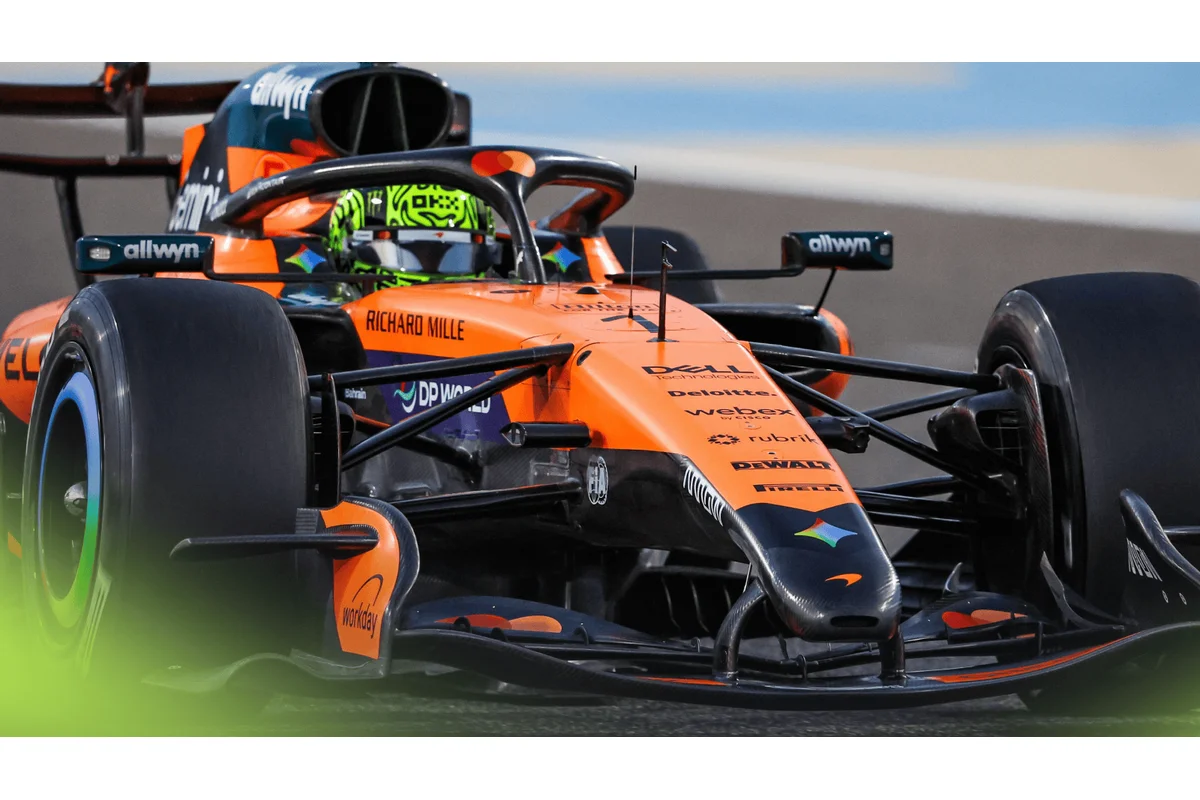
“Starts need to be addressed, because, probably as we’ve all seen, it’s a pretty complicated process now to have a safe start, let alone a competitive one,”
Oscar Piastri, F1 Driver.
Driver Opinions on Technical Changes and Race Starts
Piastri also pointed out the risks of using the newly introduced straight-line mode at race starts, describing the prospect of 22 cars running with significantly reduced downforce as dangerous.
“Whether we use straight-line mode at the start, because I think a pack of 22 cars with a couple of hundred points less of downforce sounds like a recipe for disaster to me,”
he said, indicating ongoing discussions before the Australian Grand Prix.
The concerns voiced by Piastri are shared by fellow competitors such as Lewis Hamilton and Max Verstappen. Hamilton criticized aspects of the driving style that the new regulations demand, suggesting they diverge from the essence of racing. Verstappen went further, comparing the new vehicles to those in Formula E and even intimating he might quit if the current rules persist.
Challenges Beyond Race Starts: Overtaking and DRS Changes
In addition to starting difficulties, Piastri cautioned that overtaking could become more challenging with the removal of the Drag Reduction System (DRS) feature ahead of the new season. These regulatory changes heighten tension within the driver community, as adapting racing tactics will be crucial to success under the new formula.
Implications for McLaren and the 2026 Season
With McLaren maintaining its papaya rules and no signs of easing tension between Norris and Piastri, the upcoming season is set for intense intra-team rivalry amid a turbulent regulatory environment. How the drivers manage competition under these guidelines, combined with adapting to the overhauled technical regulations, could shape McLaren’s trajectory in the championship. The team’s approach reflects a high-stakes gamble on allowing freedom while minimizing costly incidents—an experiment that continues to divide opinion among fans and experts.
