
Max Verstappen has issued a stark warning about the possibility of widespread disqualifications in Formula 1, suggesting that under stricter post-race inspection rules, half of the championship’s teams might be eliminated. This Max Verstappen F1 disqualification warning arrives at a time when questions about race oversight and technical compliance have intensified, especially with major regulatory changes approaching in 2026.
Verstappen Raises Concerns Over F1 Inspection Practices
In recent comments made to La Gazzetta dello Sport, Verstappen, the Red Bull racing standout and a four-time F1 champion, highlighted the current weaknesses in how the FIA manages technical checks after each race. Due to limited resources and time, the governing body currently inspects only a select few vehicles at the end of each event. Verstappen suggested this approach introduces an element of chance, affecting who gets scrutinized and who avoids detection for rule breaches. Addressing the reality most drivers and teams face on race weekends, Verstappen observed,
“You’re always trying to find the limit; we all do it. Sometimes everything runs smoothly because you’re not always inspected. In my opinion, if the teams were inspected for every race, half of them would definitely be found to be in breach of regulations.”
—Max Verstappen, Red Bull racing driver.
He further acknowledged the difficulty of thoroughly inspecting all cars due to logistical challenges inherent in the sport:
“Besides, it’s not possible to inspect every car; it would take a lot of people,”
he added, reinforcing the operational limits placed on the FIA’s enforcement capabilities.—Max Verstappen, Red Bull racing driver.
Recent Disqualifications Highlight Broader Issues
Verstappen’s warnings are underscored by multiple high-profile disqualifications from recent years. In 2025, accomplished drivers like Lewis Hamilton, Charles Leclerc, and Pierre Gasly were all excluded from results after their cars failed to pass stringent post-race checks. The scrutiny reached new heights at the Las Vegas Grand Prix, where both Lando Norris and Oscar Piastri of McLaren were disqualified for having skids below the regulatory minimum, forcing the FIA to extend inspections to other top finishers, including Verstappen himself, to preserve competitive fairness.
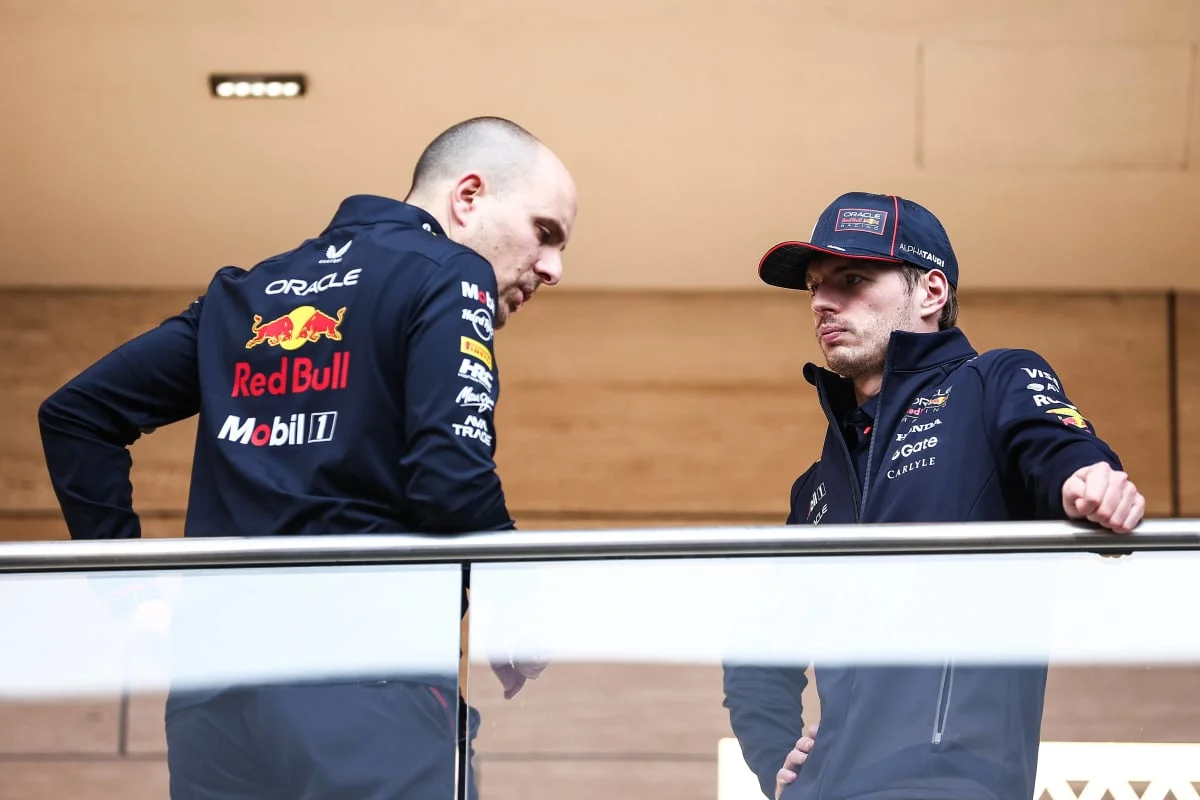
These incidents rocked teams like McLaren, while also prompting the FIA to react with heightened vigilance and expanded checks, particularly for those competing in championship-critical top positions. However, the frequency and impact of these disqualifications have inflamed debate about the consistency and effectiveness of regulatory enforcement in Formula 1.
Implications for Teams and the Future of the Sport
Verstappen’s statements arrive as the sport prepares for comprehensive regulatory updates in 2026, amplifying concerns about future compliance and the risks teams like Ferrari, Red Bull, and McLaren may face. While Verstappen exited the Las Vegas event without incident, mandatory inspections for all cars in future races could pose significant risks—not just for the Dutchman, but for many other championship contenders. The situation is made more complex by the FIA’s ongoing struggle to eliminate any perception of favoritism or arbitrary luck in the inspection process.
As anticipation grows around the new rules, Verstappen’s Max Verstappen F1 disqualification warning puts the spotlight on the potential for even stricter oversight and more frequent penalties. With racing personnel, teams, and fans watching closely, Formula 1 now faces pressing questions: will the sport reform its systems to ensure genuine and universal compliance, or will luck and limited personnel continue to play a decisive role in race outcomes?
With stakes at an all-time high and the integrity of championships hanging in the balance, the motorsport world remains on edge, awaiting answers that could decide the fate of drivers, teams, and the very nature of competition in Formula 1.
