Max Verstappen, the Dutch driver for Red Bull Racing and four-time Formula 1world champion, has publicly expressed strong disapproval of the updated hybrid engine regulations introduced this season. Speaking in March 2026, Verstappen condemned the new turbo-hybrid power units and the mandatory battery management requirements, describing them as “just not Formula 1” and “anti-racing.” These changes, which compel drivers to lift off the throttle and coast more frequently in order to preserve electric battery power, have sparked considerable debate among drivers and fans alike.
The regulation adjustments aim to incorporate more electric elements into the cars’ power units, combining the traditional V6 engine with enhanced electric motors. This technological shift demands that drivers adapt their driving styles significantly, prioritizing energy conservation to extend battery life throughout each lap.
Drivers debate the impact of coasting and lifting on race dynamics
Alongside Verstappen’s criticism, seven-time world champion Lewis Hamilton, driving for Ferrari, voiced similar concerns about the effects of lifting and coasting. Hamilton argued that this approach detracts from the core excitement of racing, stating it is “not what racing is about.” Both champions emphasize that these new demands interfere with the natural flow and competitiveness that have defined Formula 1 in previous years.
Despite the concerns, the leadership of Formula 1 has responded firmly. CEO and President Stefano Domenicali emphasized the importance of embracing progress and dismissed the negative feedback as misplaced. He acknowledged the ongoing evolution in driving techniques required by these technical innovations but insisted the changes will ultimately highlight the skill of the best drivers. Domenicali said,
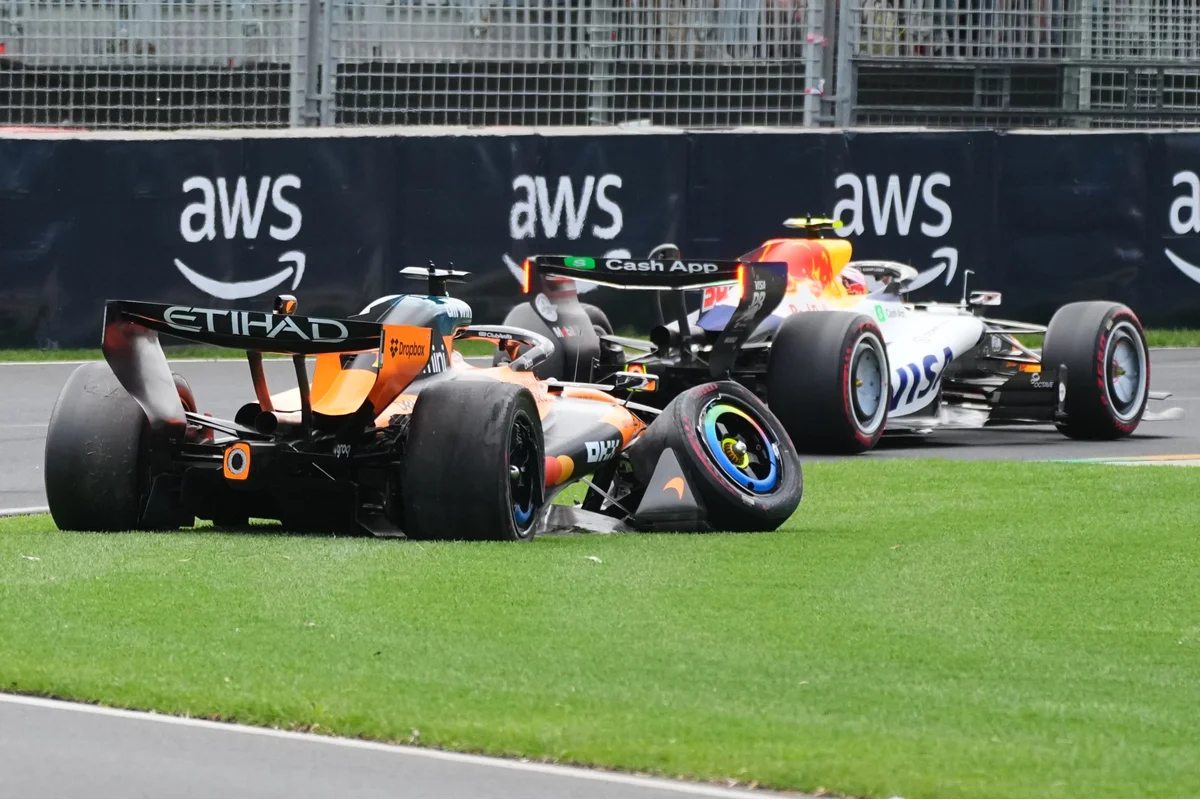
Image of: Max Verstappen
“I think it’s wrong, in general terms, to talk badly about our incredible world that is allowing all of us to grow. And that’s the only thing that I will say is not right. But, I always listen. Prudency. There is an evolution, an evolution of driving. It means that the best driver will be able to be the fastest.”
Context of the season and implications for Formula 1’s future
The new regulations came into effect at the start of the 2026 season and were highly anticipated following an eventful opener in Australia. While the races have showcased intense competition and moments of brilliance, the underlying discontent among top drivers reveals a deeper tension between traditional racing principles and evolving environmental and technological priorities.
Red Bull’s Max Verstappen continues to challenge the direction Formula 1 is taking, highlighting a friction between the sport’s heritage and its push towards sustainable power solutions. The hybrid engines represent a significant move towards energy efficiency, but the demand to conserve battery life through coasting frustrates some of the world’s best drivers who thrive on aggressive, full-throttle racing.
This ongoing debate underscores a critical crossroads for Formula 1, as the sport strives to balance advances in technology with the entertainment value cherished by fans and drivers. With influential figures like Verstappen and Hamilton openly questioning the changes, further discussions within the sport’s governing bodies and teams are expected as the season unfolds.
Broader perspective on motorsport innovation and driver responses
Max Verstappen’s outspoken dissatisfaction reflects broader anxieties about how technological innovation is reshaping motorsport. The requirement to adapt driving styles to hybrid systems demands new skill sets, yet some experts warn this might lead to less exciting racing by restricting driver freedom and overtaking opportunities.
Formula 1’s leadership, represented by figures such as Stefano Domenicali, remains committed to these changes, viewing them as necessary for sustainability and progression. However, they also claim to stay attentive to drivers’ feedback to refine regulations moving forward. This dynamic signals a balancing act between innovation, competitive fairness, and preserving the sport’s core appeal.
Upcoming challenges and what lies ahead
As the 2026 Formula 1 season progresses, the controversy around the hybrid engine rules will likely intensify. Fan and driver reactions will remain critical in shaping future regulation adjustments. Max Verstappen’s vocal opposition puts significant pressure on F1’s decision-makers to justify these changes effectively or consider alternative approaches.
The sport faces the delicate task of maintaining thrilling, high-speed racing while embracing environmentally conscious technology. How Formula 1 navigates this will determine its popularity and competitive integrity in the years to come, making the ongoing dialogue between drivers, teams, and officials crucial for the sport’s evolution.