
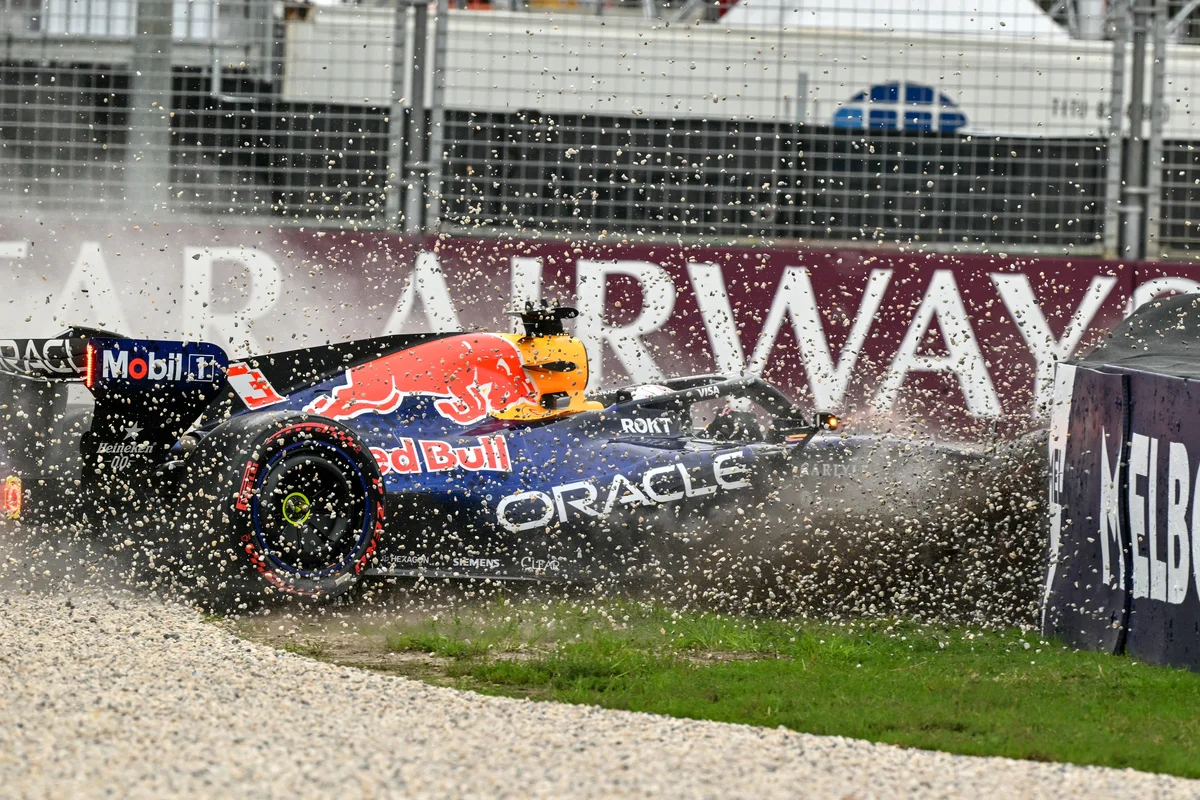
Max Verstappen, the four-time world champion, remains critical of the new Formula 1 regulations despite an impressive drive from 20th to sixth at the Australian Grand Prix held at Albert Park. The changes, which introduced a fresh generation of turbo-hybrid power units splitting power equally between a V6 engine and an electric motor-generator, continue to divide opinions among drivers.
Verstappen’s concerns center on how the updated rules affect the racing experience, particularly regarding the management of electrical energy across laps. This key aspect has, according to him, turned the races into a format akin to “Formula E on steroids,” reducing the enjoyment of driving under the new system.
New Power Unit Technology Challenges Drivers and Fans Alike
The 2026 regulations brought a radical shift in powertrain design, combining combustion engines and electric motors that demand precise energy conservation tactics. Albert Park, known for limiting energy use during races, highlighted these constraints, with battery management playing a decisive role in overtaking maneuvers throughout the race.
Despite the thrilling nature of Verstappen’s recovery drive, he reaffirmed his dissatisfaction following qualifying and race sessions, making it clear that the current format detracts from the authentic excitement he associates with Formula 1. Asked if his perspective had softened after the first event, Verstappen answered simply, “Yep.”
Verstappen’s Call for Change and Driver Solidarity
Verstappen has publicly stated that continued lack of enjoyment with the new cars may prompt him to step away from Formula 1, underscoring the seriousness of the drivers’ grievances. Emphasizing that many share his views, regardless of whether they are drivers or fans, he urged the governing bodies to take these concerns seriously and pursue improvements.
“Like I said I love racing, but we can only take so much, right?”
Verstappen said.
“I think they are willing to listen, FIA and F1, I just hope of course that there is some action.”
“I mean it’s not that I’m the only one saying it, I think a lot are saying it, if it’s drivers, fans, we just want the best for the sport. It’s not like we are critical just to be critical, we are critical for a reason, we want it to be F1, proper F1 on steroids, today that of course was again not the case.”
He continued to stress that the focus should be on refining the regulations rather than worrying about his potential departure.
“I think what they should worry about is the rules, just focus on that.
They ask questions, and I give my opinions on what I would like to see, and what I think is better for the sport because I do care about it, I do love racing, and I want it to be better than this, right?
Let’s see what we can do. I hope that even maybe during this year we can come up with some different solutions so it becomes more enjoyable for everyone.”
Challenges in Finding Swift Solutions Under Current Regulations
Formula 1’s next major power unit overhaul is not expected until the end of 2030, leaving a gap of several years in which the current issues could persist. Verstappen expressed doubt that minor adjustments this season would resolve the fundamental problems presented by the new hybrid systems and energy limitations.
“I mean it’s not like little tweaks, for sure,”
he acknowledged, highlighting the complexity involved in altering the regulations to improve the racing experience.
Race Outcome and Broader Implications for the Sport
While Verstappen’s performance showcased his skill and determination, the race itself was dominated by George Russell, who secured victory with Mercedes completing a one-two finish. This result, amid widespread driver criticism of the cars at their debut in Australia, signals that significant work remains for both teams and rulemakers.
The strong showing by Mercedes at the energy-constrained Albert Park circuit further revealed how critical battery deployment strategy has become, influencing overtaking opportunities and race dynamics, but also underscoring limitations of current F1 technology and rules.
Looking Ahead: The Future of F1 Under New Regulations
As Formula 1 and the FIA remain open to regulatory tweaks during the 2026 season, the pressure mounts to find solutions that restore the excitement and driver satisfaction that have long defined the sport. Verstappen’s remarks serve as a solemn reminder that without meaningful change, the sport risks losing some of its top talent and fans’ enthusiasm.
With Albert Park exposing the strain of the current energy management rules, it is clear that upcoming developments will need to address these challenges to align with drivers’ expectations and maintain F1’s position as the pinnacle of motor racing.
