
Following the first race of the 2026 Formula 1 season at the Albert Park street circuit in Australia, several prominent drivers, including Carlos Sainz, Max Verstappen, Lando Norris, and Sergio Perez, expressed strong dissatisfaction with the new generation F1 cars. The concerns mainly stemmed from the impact of recent regulatory changes on racing quality, with drivers criticizing the cars’ limitations in battery management and overtaking capability.
Max Verstappen, a four-time F1 champion, was among the earliest and loudest critics of the 2026 regulations, comparing the cars unfavorably to Formula E vehicles with excessive power restrictions. His teammates and rivals added their opinions, painting a picture of racing that felt artificial and frustrating rather than exhilarating.
New Regulations Hamper Natural Racing Dynamics
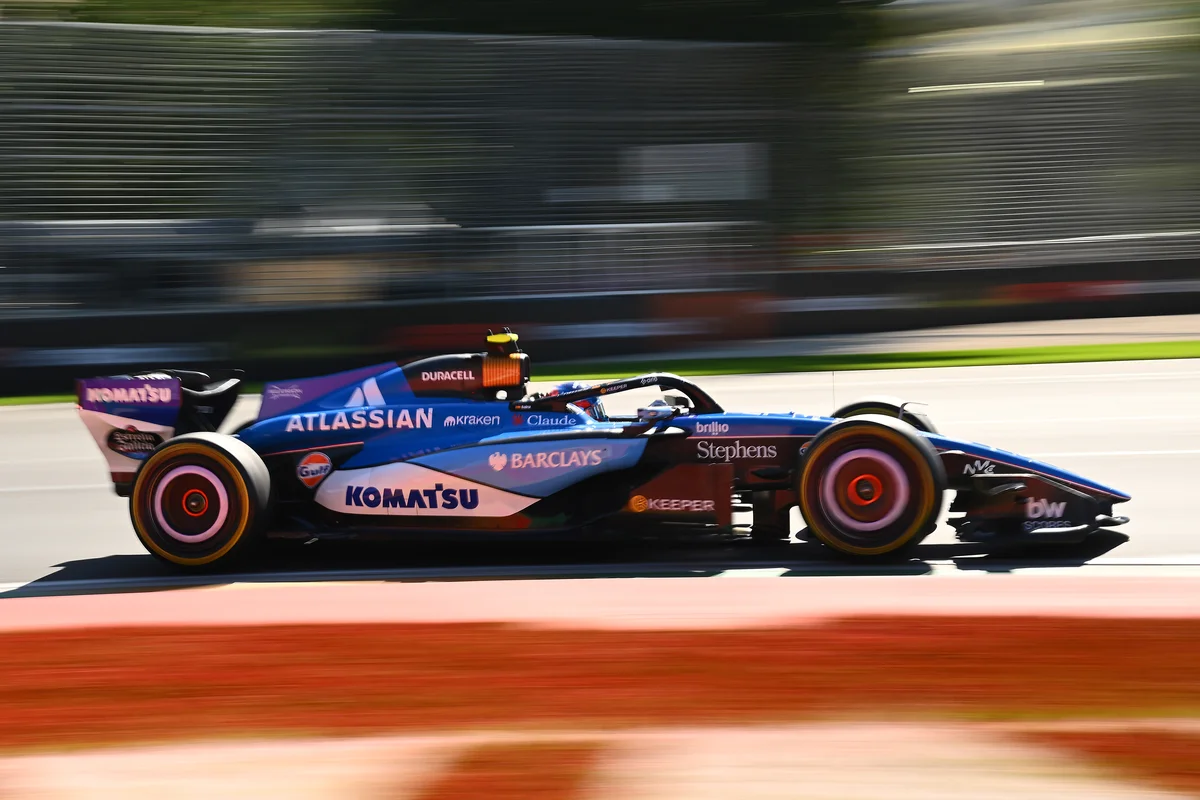
The debut race at Albert Park saw mixed moments, including a promising start for the Ferrari team off the line. However, much of the competition devolved into a sequence of back-and-forth overtakes, hindered by limited battery energy that prevented drivers from maintaining positions after passing a rival. This energy management bottleneck forced repeated position swaps and undermined the authenticity of wheel-to-wheel combat.
The overtaking modes, including boost and straight line modes, enabled some passing maneuvers but were widely seen as overcoming technical shortcomings rather than exemplifying genuine racing skill. Drivers pointed to the disconnect between the race spectacle and the desired excitement of top-tier Formula 1 competition.
Drivers Critique the Artificial Feel and Energy Limits on Track
Max Verstappen openly acknowledged the frustrations with the new cars and their limitations, stating,
“It’s not that we are critical just to be critical. We are critical for a reason, we want it to be Formula 1, you know, proper Formula 1 on steroids. Today, of course, again, that was not the case.” said Max Verstappen
Haas driver Oliver Bearman expressed a blunt comparison, calling the racing
“That’s not racing, that’s Formula E.”
“That’s not racing, that’s Formula E.” said Oliver Bearman
Isack Hadjar, Verstappen’s teammate, also shared skepticism about the quality of racing produced by the new formula:
“I don’t see how the racing is good. At least for me, when I am seeing cars going by everywhere, I don’t see how that is a step forward.” said Isack Hadjar
Meanwhile, Sergio Perez, returning after a year’s absence, described the 2026 cars as a stark departure from what he was used to:
“It’s a very different Formula 1 to what I was used to. It’s not as fun as it used to be on the racing side, not great to be honest,” said Sergio Perez
Esteban Ocon and Lando Norris echoed concerns about the artificial nature of the racing, which seemed driven mainly by power unit limitations rather than driver skill or strategy.
“It feels like it’s very artificial in the way you have to drive,” said Esteban Ocon
“It’s a shame. It’s really artificial, depending on what the power unit decides to do and randomly does at times. You just get overtaken by five cars and can do nothing about it. So, there’s nothing we can change about it, so there’s no point in saying more. Not for me, said the 2025 F1 champion.” said Lando Norris
Carlos Sainz Highlights Shortcomings of Current Power Unit Solutions
Carlos Sainz added his voice to the criticism by pinpointing issues with the current technical fixes designed to manage power deployment and overtaking opportunities. He described the Straight Line Mode (SLM) as a temporary patch rather than a long-term solution.
“I think the SLM (Straight line mode) is the plaster on top of the engine to protect the deployment issues we have. But for sure, lap one and overtaking doesn’t seem to be very safe at the minute with the SLM,” said Carlos Sainz
He further explained the inadequacy of the current formula, implying that the regulations require a more comprehensive fix.
“So we kind of need SLM, but it’s a plaster to a solution to the engine formula that for me just doesn’t seem to work very well right now,” added Carlos Sainz
Max Verstappen Shares Post-Race Frustrations Over Car Performance
Max Verstappen’s performance in the Australian Grand Prix reflected some of the challenges posed by the new generation cars. Starting from 20th on the grid, he fought back to finish sixth but struggled to overtake Lando Norris in the final laps despite having fresher tires and overtake mode available. Verstappen’s team radio communications captured his frustration with the lack of raw power and unpredictable performance.
“Thanks Max, we take the P20 to P6 even if it comes with some frustrations. You did a good fight out there and we take the learning of this race as a group. We go onto the next one! well done, thank you,” said Laurent Mekies on the radio.
“Yeah thank you guys. you definitely worked hard for this and did a really good job. This is super frustrating to drive but thank you!” responded Max Verstappen
Gianpiero Lambiase (GP), Verstappen’s race engineer, replied, “Frustrating is the driver’s upfront Max, elated with this whole thing.”
Lambiase’s sarcastic tone appeared to contrast Verstappen’s frustrations with the Mercedes team’s apparent satisfaction after dominating the event.
Implications and Future Prospects for 2026 F1 Regulations
The widespread dissatisfaction expressed by drivers like Carlos Sainz and Max Verstappen underlines significant challenges facing Formula 1 as it adapts to its 2026 technical regulations. While the changes aim to innovate and push hybrid technology, they have so far hindered the natural racing flow, leading to repetitive overtakes that feel engineered rather than earned.
These criticisms suggest that teams and regulators may need to revisit power unit management strategies and overtake modes to restore the excitement and competitive balance F1 fans expect. As the season progresses, the ability of governing bodies and teams to address these issues will be closely watched by the entire racing community.
