
The 2024 Formula 1 Australian Grand Prix, held at Melbourne’s Albert Park circuit, kicked off the season under new technical regulations that significantly shaped the competition. In a hard-fought 58-lap race under clear skies and mild temperatures, Mercedes demonstrated aerodynamic dominance and strategic precision, leading their British driver to a commanding victory after a tense fight with Ferrari’s contender. The race provided vital insight into the evolving dynamics of Formula 1’s technical landscape and set the tone for the championship ahead.
The British driver, who began the race from pole position, maintained composure throughout and adhered closely to his team’s pit strategy, effectively managing tire wear and the new compounds introduced this season. His triumph marked the sixth career win for the driver, positioning him atop the drivers’ standings as the clear championship leader, a milestone not seen before in his Formula 1 tenure.
New Season Brings Fresh Milestones Amid Rising Reliability Concerns
The opening race not only showcased fierce competition but also recorded several historic highlights across teams and emerging talents. Mercedes led the constructors’ championship after accumulating 43 points. Audi achieved its first official points in their factory team debut, thanks to a steadfast performance by their South American newcomer. Meanwhile, young driver Arvid Lindblad became the third youngest in Formula 1 history to score championship points. However, the event also revealed vulnerabilities as mechanical failures led to a high attrition rate, with reliability of hybrid power units proving to be a critical challenge for many.
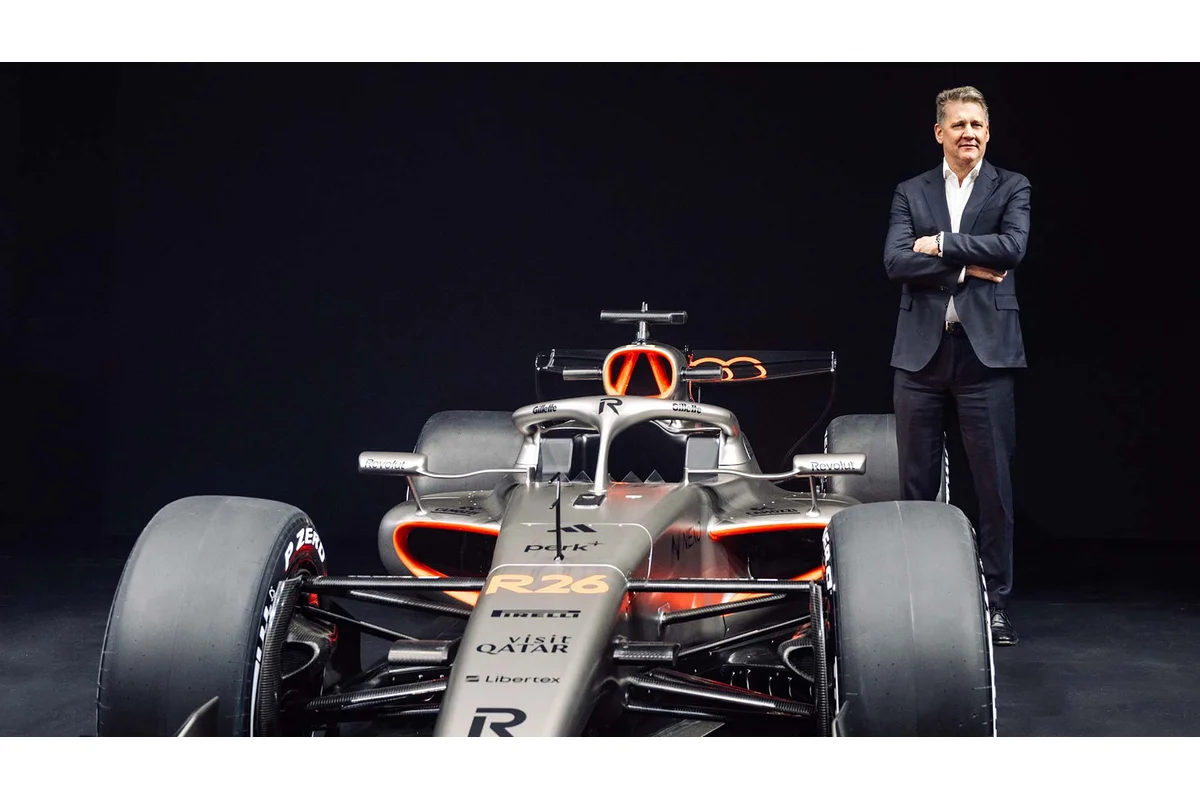
The performance throughout the race underscored the growing importance of energy efficiency and mechanical dependability, elements that will be decisive in the extended calendar of races in 2024.
Pit Strategy Proves Decisive in Battle Against Italian Competitor
The race began with a spectacular aggressive move from Ferrari’s Monegasque driver, who surged from fourth position into the lead before the first corner braking zone, capitalizing on a slightly delayed start reaction from the British frontrunner. This early exchange sparked an exhilarating sequence of six lead changes within the first ten laps, with both drivers maximizing opportunities granted by the new aerodynamic overtaking features introduced in this season’s regulations.
Ultimately, the decisive moment occurred off-track during the virtual safety car period caused by a major mechanical failure on a Red Bull car at lap 12. Mercedes seized the opportunity with a perfectly executed double pit stop for their top drivers, fitting new tires that offered immediate performance gains. Ferrari opted to keep their cars out longer, banking on a later pit stop on clear track, a strategy that backfired and cost them valuable time and track position.
Rookie Italian Phenomenon Achieves Impressive Podium Finish
Andrea Kimi Antonelli, debuting on the Formula 1 grid, endured a turbulent start, losing five places due to traction difficulties. Despite this setback, he maintained a composed approach to gradually regain positions against more seasoned drivers. Utilizing deft braking techniques and intelligent deployment of the energy recovery system, Antonelli navigated past competitors including McLaren and Red Bull cars.
By the conclusion of the yellow flag period on lap 16, he had already climbed to a provisional fourth place. His consistent pace in the closing stages allowed him to carefully conserve his tires and ultimately finish on the podium, trailing the winner by just 2.9 seconds. This result validated his team’s bold decision to promote him directly to the starting lineup and highlighted his potential as a future star.
South American Debutant Earns Audi First Points Amid Development Challenges
Gabriel Bortoleto, representing Audi in his inaugural Formula 1 race, showcased resilience overcoming initial setbacks after starting tenth. He faced challenges with an aero package in its early development stage but maintained a stable race pace while executing key overtaking maneuvers against rivals from Alpine and Aston Martin.
Bortoleto’s careful management of tire wear and handling of multiple on-track incidents enabled him to engage in close wheel-to-wheel battles, notably with fellow rookie Arvid Lindblad. The thrilling exchanges in zones allowing movable wing activation captivated race attendees. Finishing ninth, Bortoleto secured crucial points for Audi, making history as the factory team’s first point scorer, contrasting with his teammate’s early retirement from an electrical failure during the formation lap.
British Drivers Stand Out Amid Austrian Team’s Struggles
Lando Norris became McLaren’s key points contributor after his teammate’s heavy crash during the grid formation lap eliminated a potential team scorer. The British driver withstood intense pressure to solidify fifth place, positioning himself as the leading competitor outside the dominant Mercedes and Ferrari squads.
By contrast, Red Bull Racing faced significant challenges throughout the weekend. Reigning world champion Max Verstappen finished only sixth, hindered by difficulties in optimizing chassis setup. Moreover, Isack Hadjar exited early due to severe power unit problems, highlighting the Austrian team’s operational and technical struggles with the new powertrains.
Reliability Issues Cast Shadow Over New Hybrid Power Units
The high attrition rate exposed during the Australian Grand Prix served as a stark warning for all teams regarding the demanding reliability standards required by the updated technical regulations. Six cars, including veteran drivers and multiple former champions, retired due to sudden electrical failures and cooling system breakdowns within their highly complex hybrid power units.
Cadillac, marking its presence as the eleventh full competitor on the grid, experienced critical issues with thermal management; Valtteri Bottas was forced to retire on lap 19 due to engine overheating, while Sergio Pérez’s performance was restricted by engine mapping limitations caused by similar problems. The comprehensive telemetry gathered during the event will prompt urgent redesigns of cooling systems and airflow management before upcoming races staged in even hotter environments, to prevent further jeopardization of engine integrity early in the season.
Teams Prepare for Upcoming Race in China Amid Tight Turnaround
The Formula 1 championship offers minimal respite as the action quickly shifts to the Shanghai International Circuit in China, hosting the second round on March 15th. Known for its lengthy straights and sweeping curves, the Shanghai venue will also feature this season’s first sprint race format, significantly reducing available practice time and placing additional demands on teams to perfect mechanical setups swiftly.
This compressed schedule means that squads suffering from reliability setbacks in Australia must work intensively to design and implement effective solutions before transporting their cars to Asia. Engineers and mechanics will be under pressure to apply adjustments ensuring optimal aerodynamic and power unit performance ahead of this pivotal stage of the championship.
