
Oliver Bearman delivered a standout performance at the Australian Grand Prix, finishing an impressive seventh for Haas. The VF-26 demonstrated competitive pace at the season opener, aligning with expectations from pre-season testing. While Bearman was pleased to begin the year by scoring valuable points, he expressed clear dissatisfaction with the driving experience of the 2026-spec Formula 1 cars, particularly regarding their electrical systems.
Though some drivers have welcomed the recent regulatory changes, many, including Bearman, have voiced concerns. The 2026 car design has drawn criticism from various quarters, with the electrical deployment system emerging as the most contentious feature among drivers and teams alike.
Haas Shows Early Adaptation, Bearman Highlights Challenges with Power Units
Haas has impressed as one of the smaller budget teams to start the 2026 season on a positive note. Their VF-26 chassis and integration of the Ferrari power unit have proven solid, enabling early competitiveness. While certain customer teams face difficulties optimizing the new engine format, Haas appears to be managing the transition comparatively well.
The car’s responsiveness and compliance provide both engineers and drivers a robust platform to develop further improvements. Impressively, Bearman has emerged as a key asset for the team, justifying early praise from team principal Ayao Komatsu, who recognized his potential in 2023.
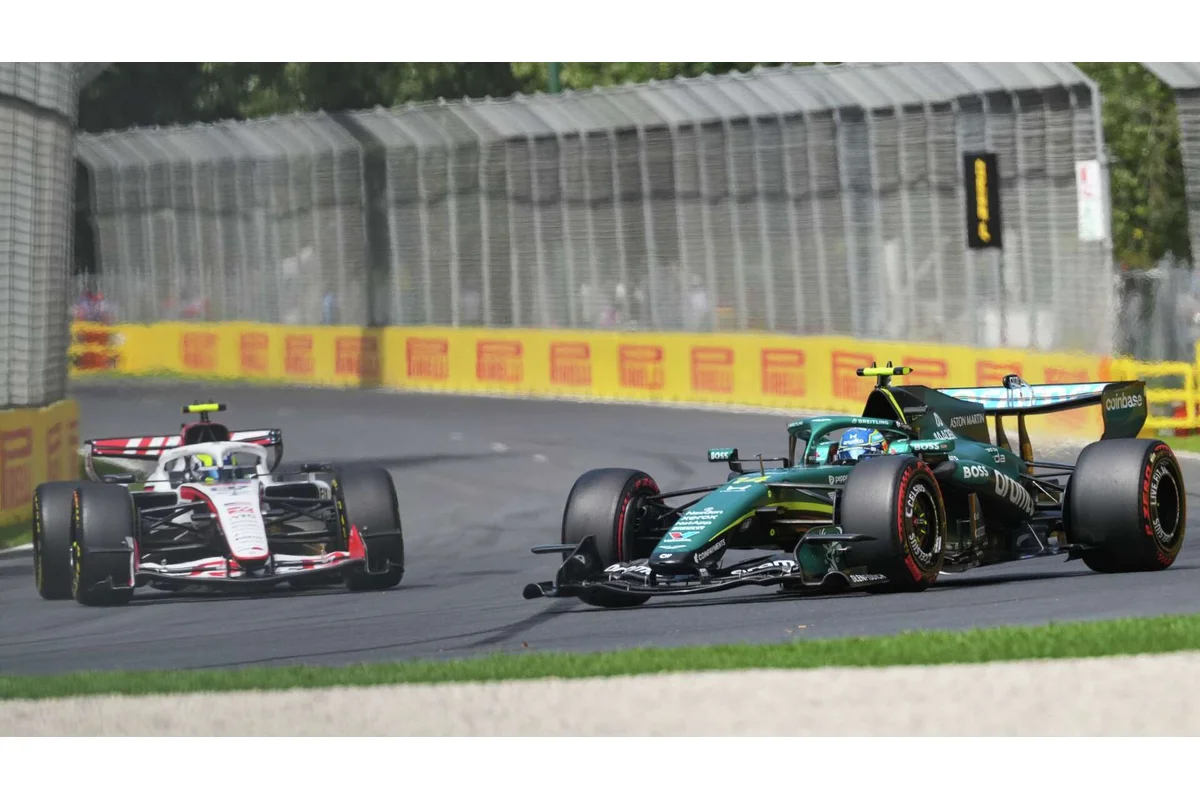
Despite this encouraging progress, Bearman remains outspoken about his frustrations with the current vehicle regulations. Commenting on the weekend’s races, he conveyed his unfiltered opinion:
Bearman Critiques Driving Experience, Equates It to Formula E
Bearman described the driving dynamics of the new cars as overly complicated, citing the challenging management of electrical boost. He said,
“It’s a lot of stuff to think about, which is complicated. But the fact I finished P7 means that I’m happy, even if the car has not been the most fun to drive this weekend…”
He further elaborated on the imbalance caused by energy deployment and recovery, explaining how the gains from boost on straights were quickly negated, stating,
“It’s a bit ridiculous, to be honest – to have that much delta in a button and to lose that much on the next straight. It’s also very non-linear.”
Bearman continued,
“So what you gain on the straight, where you use the boost, is a quarter what you lose on the next straight. So unless you basically complete the move at the start of the straight… you complete the move and then you harvest, harvest, harvest – the next straight they’re going to get you back.”
He concluded bluntly,
“That’s not racing, that’s Formula E,”
highlighting his disapproval of the current state of energy deployment in F1.
Widespread Discontent Among Drivers Over 2026 Technical Regulations
Bearman is not alone in his criticism; key figures like Carlos Sainz and Max Verstappen have openly questioned the latest F1 machinery. While driver complaints following new regulations are common, frustrations over the 2026 cars have been notably strong and vocal this season.
A major concern centers on the cars’ performance in qualifying sessions. Previously, rule changes still allowed drivers to maximize their cars’ limits on Saturdays, but the 2026 generation’s restricted energy deployment during straights detracts from the excitement and intensity typically seen, especially through onboard footage.
Circuits with shorter straights may lessen the negative impact, since managing electrical output is less demanding there. Similarly, tracks allowing reduced energy harvesting could see fewer instances of drivers depleting their battery deployment. Nonetheless, the new rules are bound to divide opinions among teams, drivers, and fans alike.
Championship Battle Will Determine Acceptance of New Cars
The long-term success of the 2026 regulations will ultimately depend on whether they foster a fiercely competitive championship. Early signs from Australia suggested promising on-track battles between teams like Mercedes and Ferrari, possibly with other contenders joining the mix.
Should close competition persist throughout the season, criticism of the new cars may subside. On the other hand, if one team, such as Mercedes with their W18, dominates the field, it could amplify impatience and dissatisfaction within the paddock and among supporters.
