
At the opening Formula 1 Grand Prix of the season held in Australia’s Albert Park circuit, British driver George Russell and the Mercedes team commanded the spotlight by capturing both pole position and the race victory. The event marked a significant moment as adjustments to the regulations began to affect competition dynamics, demonstrating Mercedes’ strong adaptation to the new rules.
George Russell Clinches Victory While Ferraris Challenge Early On
George Russell showcased his skill and consistency by winning the Australian Grand Prix, confirming expectations for the season’s start. Despite Ferrari’s initial advances—with Italian driver Kimi Antonelli taking an early lead and finishing second and Monegasque Charles Leclerc securing third place—the race ultimately belonged to Russell and Mercedes. Ferrari’s strong early performance underscored their competitive pace off the start line but was not enough to overcome Mercedes’ dominance in the long run.
Unexpected Developments Affect Key Competitors
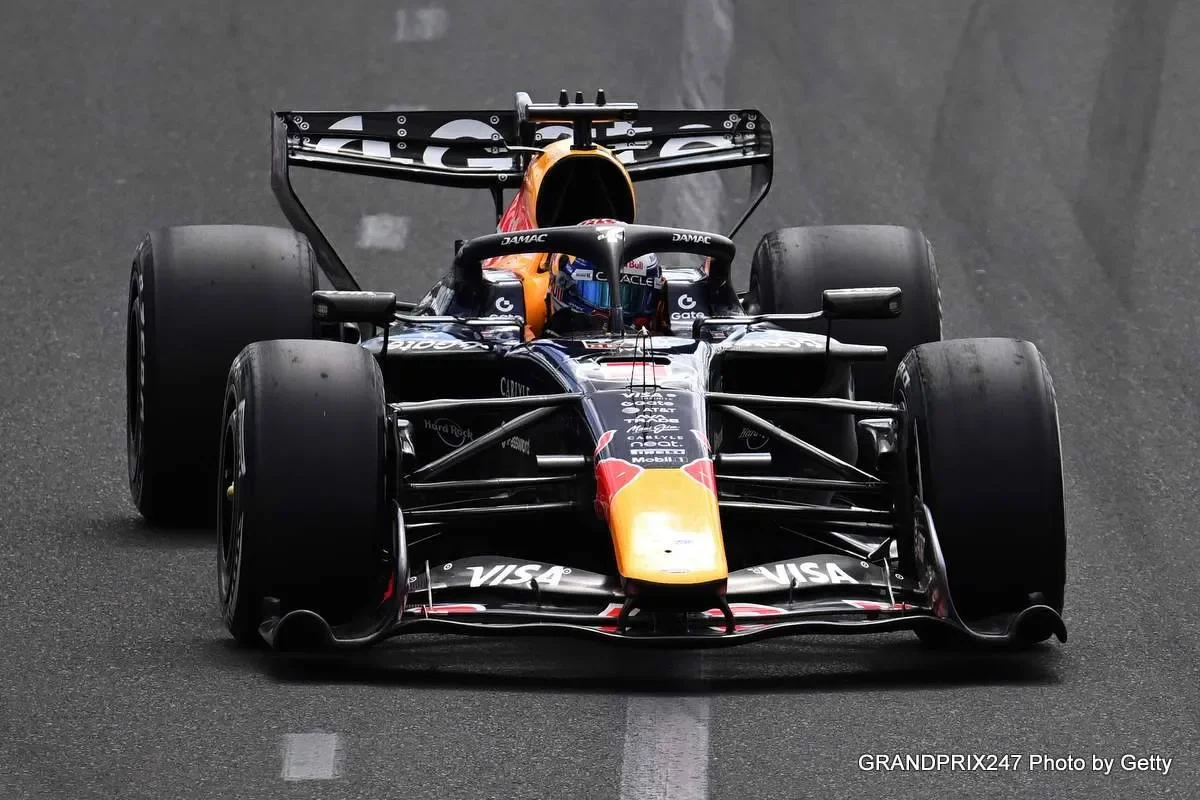
The Grand Prix saw some surprising setbacks, notably from McLaren’s drivers. Oscar Piastri faced the disappointment of retiring before the race even began, while teammate Lando Norris battled to maintain fifth place under relentless pressure from Red Bull’s Max Verstappen. Verstappen himself was unable to move higher despite his efforts, partly due to challenges faced by his teammate, French driver Isack Hadjar, who also exited the race prematurely on the Australian circuit.
Insights into the Impact of New Formula 1 Regulations
The opening round of the season offered early insights into how the newly introduced regulations are shaping the racing landscape. There has been an increase in overtaking maneuvers, particularly in the opening stages of the races, suggesting heightened competition and strategy shifts. The added complexity of battery management and energy conservation has introduced an element of unpredictability, making individual battles on the track more volatile and often resembling a tactical lottery. Survival, endurance, and strategic energy use are becoming pivotal factors in race outcomes.
Charles Leclerc, starting from fourth on the grid, demonstrated that Ferrari can capitalize on the faster starts the new regulations seem to favor, seizing the lead immediately at the race commencement. Meanwhile, Lewis Hamilton took up a solid third position, sustaining pressure throughout the intense initial laps.
As the race progressed, the frenetic pace seen in early laps gradually slowed, and overtaking opportunities diminished in the final segments, which contributed to a somewhat anticlimactic finish. Max Verstappen was unable to find the extra pace needed to pass Norris, making that battle the sole highlight late in the event. Meanwhile, Russell maintained his momentum confidently, securing victory and driving Mercedes to a coveted one-two finish.
Looking Ahead: What the New Season May Bring
The first Formula 1 Grand Prix results from Australia provide a reflective glimpse into how teams are adapting to significant changes in technical and strategic regulations. Mercedes’ early success, led by George Russell and supported by Lewis Hamilton, sets a competitive benchmark. Meanwhile, Ferrari’s strong starts and Red Bull’s resilience, despite setbacks, indicate an evolving title fight. The increased unpredictability and tactical depth introduced this season promise an engaging and tightly contested championship moving forward.
