
Max Verstappen expressed strong dissatisfaction with Formula 1’s recent technical regulation changes during testing in Bahrain, drawing attention to the challenges posed by the 50/50 split between thermal and electrical energy in the new power units. This has created a notable chance for Isack Hadjar to assert himself at Red Bull, according to former F1 driver Ralf Schumacher. The young Frenchman’s potential rise comes amid Verstappen’s vocal criticism of the sport’s evolving direction and the resulting fractures within the team dynamic.
After the initial three days of pre-season testing, several prominent drivers, including Fernando Alonso and Verstappen, openly criticized the updated power unit formula, which leans heavily on hybrid energy systems. Alonso described the change as “annoying,” while Verstappen compared it to “Formula E on steroids.” These remarks did not sit well with F1 officials, who summoned Verstappen for a discussion and reportedly asked him to moderate his statements.
Ralf Schumacher Highlights Chance for Hadjar Amid Verstappen’s Divided Focus
Ralf Schumacher, speaking on the Backstage Boxengasse podcast, analyzed the situation surrounding Isack Hadjar’s integration into Red Bull and the potential to become an early race winner in the 2026 season. Schumacher cautioned Hadjar against pushing too hard to outperform Verstappen prematurely, referencing the young driver’s crash at Barcelona as a warning of what can go wrong.
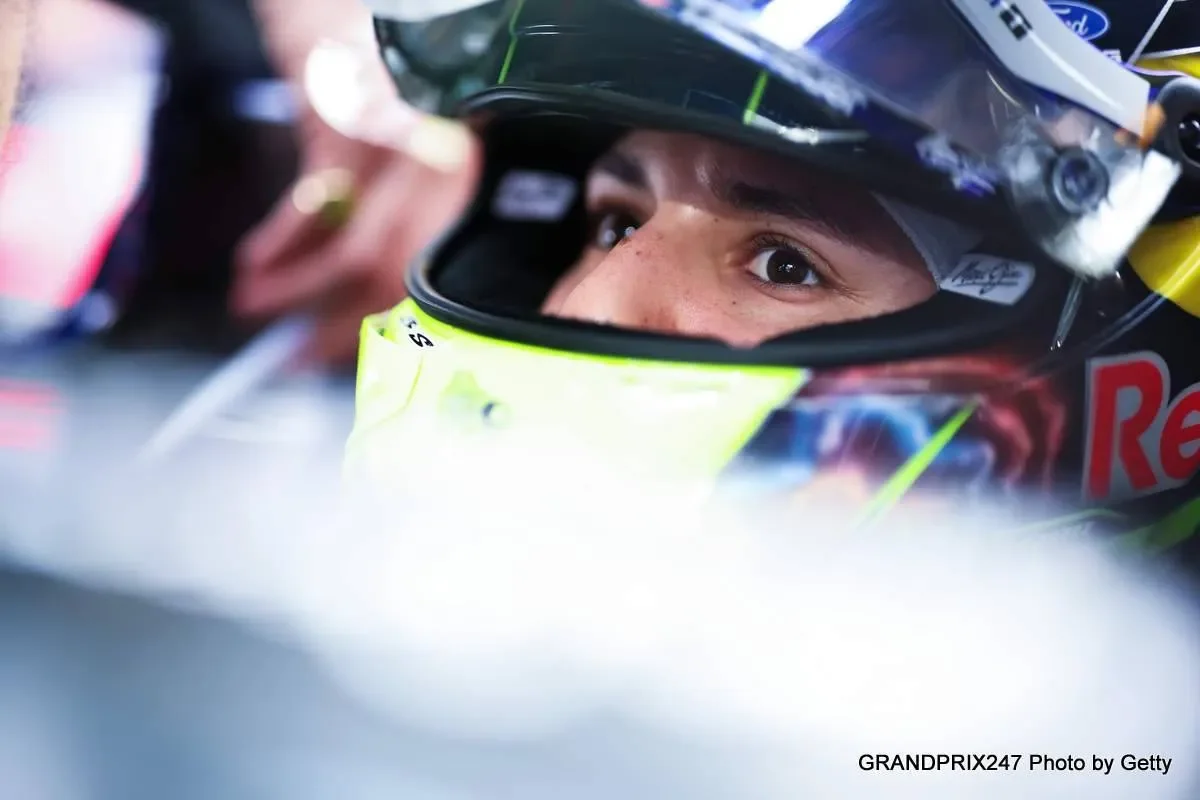
Well, I think he should be careful and not try to be better than Max Verstappen at all costs. I think that would end up in the guardrail. That’s what happened in Barcelona.
Schumacher emphasized that while Hadjar recovered well from that incident—motivated in part by social media support—the opportunity for him could expand due to Verstappen’s divided attention. With Verstappen increasingly drawn to endurance racing events at the Nurburgring, Schumacher suggested this shift may create room for Hadjar to step up within Red Bull.
He explained that Verstappen’s involvement in other racing projects and his critical stance towards Formula 1 could diminish his focus on adapting to the current car and supporting the team, thereby opening avenues for Hadjar to demonstrate his capabilities. Schumacher remarked on the challenges of juggling multiple commitments, even for a driver of Verstappen’s caliber.
So at some point, you have to be careful not to take on too many projects. Even Max Verstappen can’t do that. You only have two hands, after all.
Hadjar’s Focus and Progress in Joining Red Bull Amid High Expectations
Isack Hadjar, stepping into the role of Verstappen’s new teammate—the first since Daniel Ricciardo’s departure at the close of 2018—has approached his debut with measured observation and determination. The young French driver praised Verstappen’s meticulous approach during the Bahrain testing phase, calling it “impressive” and understandable given Verstappen’s standing as a four-time world champion with 71 Grand Prix victories.
Within the competitive environment at Milton Keynes, Hadjar is adjusting to both the team and the advanced machinery, receiving positive reviews from insiders who noted his encouraging development alongside Verstappen. Hadjar has an additional three days of testing planned to further integrate himself into the team and refine his performance under the Red Bull banner.
Implications for Red Bull and F1’s Future Dynamics
Verstappen’s public frustrations signal a moment of uncertainty within Red Bull and the broader Formula 1 grid, revealing tensions about the sport’s evolving technical landscape. Amid this atmosphere, Isack Hadjar’s arrival represents both a challenge and an opportunity: to prove his worth and potentially secure a stronger foothold in a highly competitive environment. With Verstappen possibly diverting attention to other racing disciplines, Hadjar could capitalize on this to become a prominent figure within Red Bull’s driver lineup.
This developing dynamic also raises questions about how Red Bull will balance managing its star driver’s ambitions alongside nurturing emerging talents. How effectively Hadjar can use this chance may influence the team’s performance and driver hierarchy in upcoming seasons, particularly as FIA’s new regulations reshape competition. Fans and insiders alike will watch closely to see whether Hadjar can convert this opening into tangible race success, possibly even a maiden Grand Prix victory early in his tenure with Red Bull.
