
With the 2026 Formula 1 season fast approaching, teams are completing their final pre-season testing at the Bahrain International Circuit this week. As new engine and chassis regulations come into effect for the upcoming Australian Grand Prix, drivers and teams are eager to evaluate and adapt their cars ahead of the opening race in Melbourne from March 6 to March 8. This crucial testing phase is vital for teams to optimize performance and address any issues before competition begins.
Following an earlier private testing session in Barcelona, the Bahrain tests span three days, offering teams additional track time. Notably, Red Bull has chosen not to run Max Verstappen on Wednesday, instead fielding rookie driver Isack Hadjar to gather data and maintain development progress.
Norris Sets the Early Pace in Bahrain
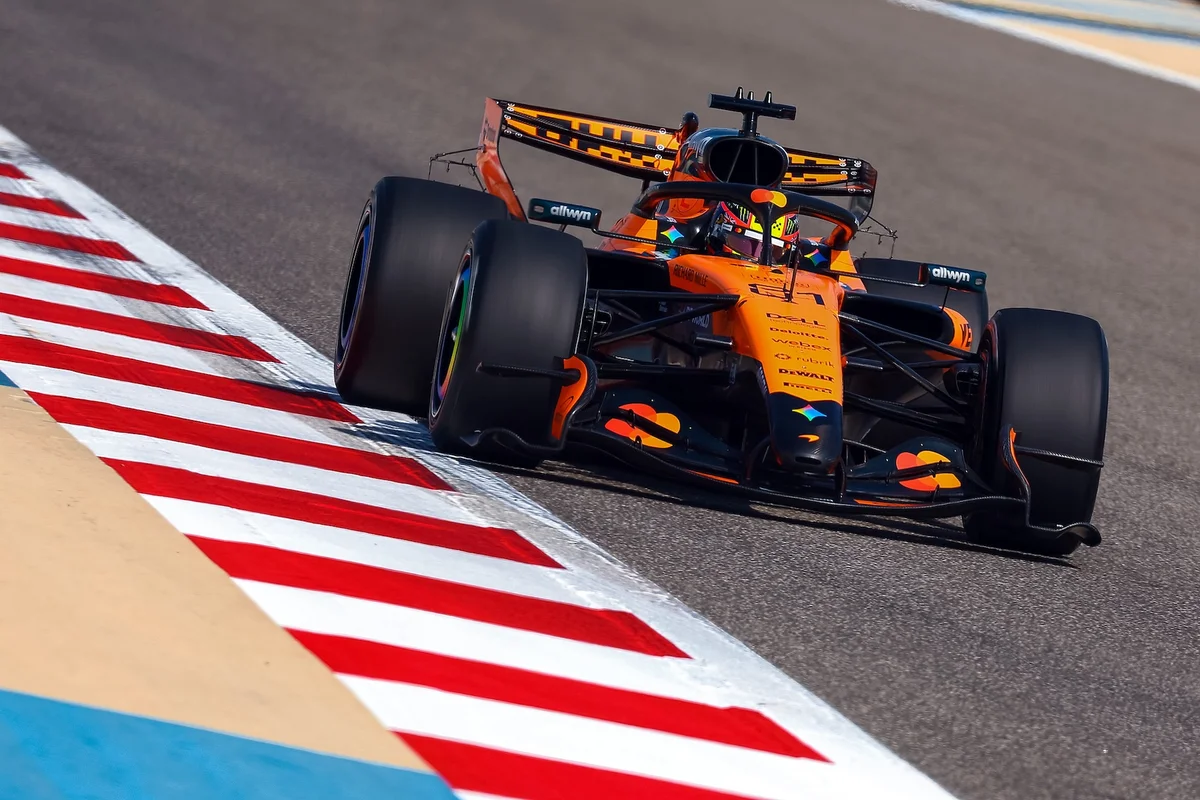
Defending champion Lando Norris of McLaren was among the first on track this morning, determined to make the most of the testing window. Demonstrating strong pace, Norris completed 25 laps in his new Papaya-colored car, positioning himself as a key figure to watch as teams adjust to the new regulations.
Verstappen Sits Out Wednesday Session
Red Bull’s decision to keep Max Verstappen off the track today surprised some fans, especially after the reigning world champion expressed frustration with the new machinery earlier, likening the cars to “Formula E on steroids.” Instead, Red Bull opted to have Isack Hadjar pilot the car throughout the day, leaving Verstappen’s return expected for tomorrow’s session.
“like Formula E on steroids.” ?Max Verstappen, Driver
Competitive Times Mark Morning Running
The morning session is scheduled to conclude near 11 a.m., giving the drivers less than two hours to refine setups and circulate laps. Ferrari’s Charles Leclerc currently leads the time charts with a lap of 1:33.739, closely pursued by Norris and Mercedes driver Kimi Antonelli, who are both within half a second of the top time. These tight margins underline the competitiveness and manageable differences despite significant regulatory changes.
Driver Lineup on Track This Morning
Alongside Norris and Leclerc, several prominent drivers took part in the morning running across various teams. Alpine’s Pierre Gasly, Aston Martin’s Fernando Alonso, Audi’s Nick Hulkenberg, Cadillac’s Sergio Perez, Haas’s Esteban Ocon, Racing Bulls’ Arvid Lindblad, Williams’ Alex Albon, and Red Bull’s Isack Hadjar all put their cars through testing routines. This diverse field allows for a broad evaluation of the new Formula 1 designs across the grid.
The Purpose and Importance of F1 Pre-Season Testing
Pre-season testing serves as the first real-world trial for newly developed cars under race-like conditions. It enables teams to assess how changes in engineering, aerodynamics, and power units are performing, aiming to identify areas for improvement before the season opener. With strict testing regulations limiting track time to 24 hours per team and only one car allowed on track at any moment, every lap carries significant weight in fine-tuning vehicle reliability and pace.
Looking Ahead: Implications for the 2026 Season
As teams navigate this critical phase at Bahrain, the results and data gathered will play an essential role in shaping strategies for the Australian Grand Prix and the remainder of the 2026 campaign. Lando Norris’s early leadership may signal McLaren’s growing competitiveness, while Red Bull’s cautious approach reflects a desire to refine their package before Verstappen returns to the cockpit. With the new regulations bringing substantial changes, the tight time gaps hint at a fiercely contested season ahead, increasing anticipation among fans and participants alike.
