
The positive momentum Haas gained during winter testing quickly vanished following the first Formula 1 race of the 2025 season in Australia. Although Esteban Ocon finished just outside the points in 11th place and teammate Oliver Bearman reached seventh amidst a race marked by multiple retirements—including two from leading teams—the overall atmosphere within the American squad is tense as challenges persist.
Ocon Faces Mechanical Difficulties and Recalls Past Problems
For Esteban Ocon, the weekend was dominated by frustration more than anything else. Despite a promising start from 13th on the grid, where he comfortably gained several positions and benefited from the timing of the first virtual safety car, his race quickly deteriorated. The car’s erratic behavior caught him off guard, making it extremely challenging to control and reminiscent of Haas’s major technical woes early last season.
Ocon explained the difficulties:
“The verdict is a disappointing race on our side really. Especially after the getaway that we got off the line. We’ve gained a huge amount of places, we were on for a very decent race.”
He added,
“We boxed under the VSC, which was very positive. Everything was looking good until you just saw the lap time that we were delivering. It was shocking.”
Handling Issues Cause Tire Degradation and Oversteer
The French driver highlighted ongoing issues with car balance, where excessive oversteer affected every corner entry. This oversteering caused significant early tire wear and consequent performance degradation.
“We were oversteering everywhere on all the entry phases. We damaged the tyres very early on with that. A lot of degradation. It’s a flashback to last year when it was not working well at all. We have two very different cars. Myself and Oli with two very different issues once again. It starts to be frustrating,”
Ocon stated.
He further described the contrasting experiences between himself and his teammate, explaining,
“It’s really frustrating because you take the car that has understeering stability in that race and I had the opposite. In quali you can make it work, in the race with the degradation you can’t. It’s just common sense.”
Not entirely certain about the mechanical state of his car, Ocon admitted,
“I don’t know if it broke. I don’t know if it was repaired correctly. I don’t know if something else broke. But for sure, it was not a good car to drive.”
Energy Management and On-Track Battles Add to the Struggle
Alongside technical difficulties, energy management was a major challenge throughout the race for Ocon, mirroring struggles faced by many drivers in the current field. His wheel-to-wheel combats with Pierre Gasly and Gabriel Bortoleto were slowed by the fluctuating effects of the overtake deployment mode, which led to frequent lead changes and a tiring “yo-yo effect.”
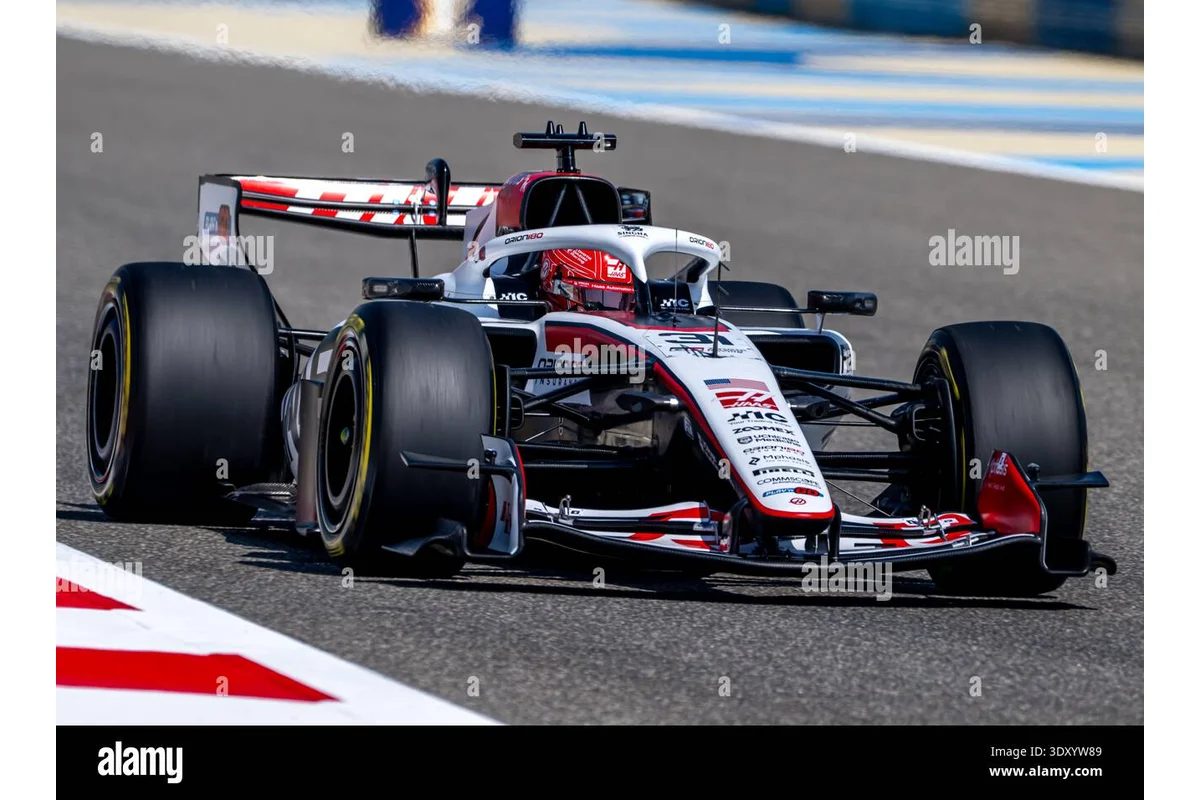
Reflecting on the complex energy strategies, Ocon expressed hope that future races would be simpler, saying,
“We ended out of the points. It was a good learning on energy management overall. There are things that we might do differently in the next races. Hopefully that will be a bit more straightforward.”
He added,
“Hopefully you don’t have to learn everything again with a new track. There has been a huge amount of information. We need to take it on board and see how it goes.”
Implications for Haas as Technical Hurdles Persist
Haas’s difficulties underline a returning pattern of technical challenges that continue to hamper performance despite initial optimism. Esteban Ocon’s experience demonstrates how car handling inconsistencies—particularly the imbalance between oversteer and understeer—and stringent energy management requirements impact race outcomes.
With Oliver Bearman facing his distinct set of issues on a differently behaving car, the team must address diverging problems within its two vehicles, which adds complexity to setup and development paths. This internal disparity threatens Haas’s ability to compete consistently in the midfield pack.
As the season progresses, accumulating and effectively applying data on battery and energy systems could reduce the steep learning curves observed during circuits like the Australian Grand Prix. Still, the ongoing struggles suggest that Haas will need to focus considerable engineering resources and strategic adjustments to close gaps and regain competitiveness in upcoming races.
