
Formula 1 officials are exploring possible rule adjustments following widespread dissatisfaction expressed after the Australian Grand Prix. The new regulations, aimed at controlling electrical energy use during races, have stirred significant debate among drivers and teams concerned about race dynamics and safety.
Drivers Voice Frustrations After Season Opener in Melbourne
The Australian Grand Prix marked the first race under updated Formula 1 rule changes focused on managing electrical energy deployment. Mercedes started strong with George Russell taking first place and Kimi Antonelli finishing second, but many competitors criticized how the new rules affected race experience and safety.
Max Verstappen, who finished sixth, openly voiced his discontent both over team radio and to the media. He described driving under the new regulations as “simply frustrating” and emphasized that the criticisms were not meant lightly. Verstappen stated,
“I love racing but you can only take so much. I think F1 and the FIA [the governing body] are willing to listen, but I hope there is some action. It is not that I am the only one saying it. We are not critical just to be critical. We are critical for a reason. We want it to be proper Formula One on steroids, but today that wasn’t the case.”
Reigning world champion Lando Norris also expressed alarm at the consequences of the new rule set. He warned of a potential major crash, pointing out alarming collision speeds that could lead to serious injuries. Norris remarked,
“Depending on what drivers do, you can have closing speeds of 30-50kph, and when someone hits another driver at that speed you are going to fly and go over the fence and do a lot of damage to yourself and maybe to others, and that is a pretty horrible thing to think about.”
Despite his victory, George Russell joined Verstappen and Norris in demanding immediate reconsideration of the current regulations, underscoring that dissatisfaction spans multiple teams and top drivers.
Current Rule Impact and Discussions on Potential Adjustments
The changes for the 2024 season require drivers to manage energy harvesting and deployment more carefully, resulting in approximately 120 overtakes during the Melbourne race—almost triple the number from last year. While this increase in overtaking stirred excitement, it also generated serious safety and drivability concerns across the paddock.
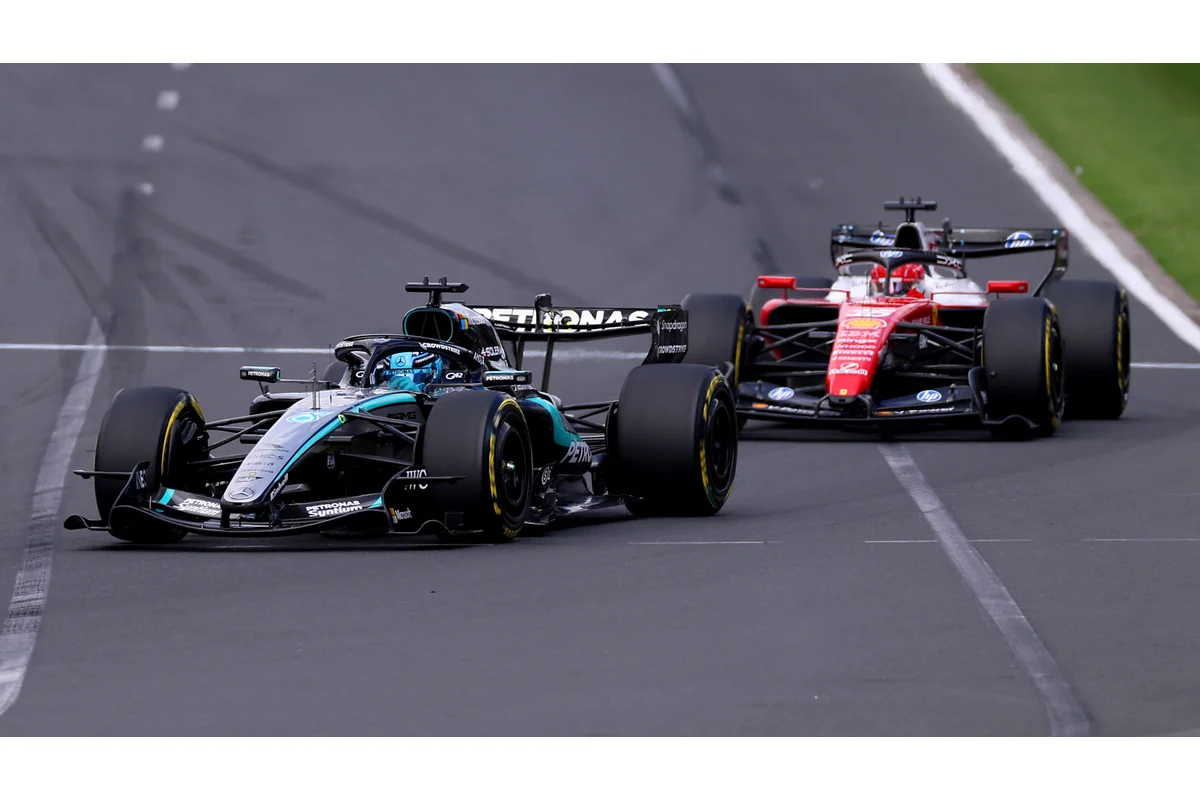
Formula 1 officials have indicated that while they acknowledge these concerns, they are cautious about rushing into rule amendments. Instead, they plan to closely monitor race outcomes and gather additional data, particularly regarding energy management levels that may not yet be optimized.
Preparations are underway to evaluate potential rule modifications as early as the Japanese Grand Prix in March. These discussions will follow the upcoming race in China, where Formula 1 leaders will decide if changes are necessary based on observed performance and driver feedback.
FIA Leadership Addresses the Need for Careful Consideration
Nikolas Tombazis, the FIA’s technical chief, spoke before the Australian race about the possible introduction of adjustments. He acknowledged that while instant changes were unrealistic for Melbourne, the FIA and teams had agreed to maintain current regulations for the initial rounds to collect more information. Tombazis explained,
“Our intention is after China to be reviewing the energy management situation. We have a few aces up our sleeves on that, which we didn’t want to introduce ahead of the first race as a knee-jerk reaction, and which we will review with the teams after China.”
This methodical approach aims to avoid premature decisions that could disrupt the season while remaining responsive to evolving concerns raised by drivers and teams.
Mercedes Welcomes Flexibility in Making Rule Changes
Mercedes Team Principal Toto Wolff, despite his team’s dominant result in Melbourne, showed openness to tweaking the current regulations to improve the sport. He underlined the importance of balancing driver satisfaction and fan engagement to maintain Formula 1’s appeal. Wolff stressed,
“One perspective is the view of the drivers, which is an important perspective. Stefano [Domenicali] would say that the single matrix that matters to him is whether the fans like it. That is what we need to look at. If it needs to be tweaked, if we need to adjust, I think we have the flexibility in Formula 1 to always take those decisions.”
Wolff highlighted the shared responsibility among stakeholders to ensure that Formula 1 continues delivering thrilling racing with top-performing cars and drivers, emphasizing the sport’s readiness to implement necessary adaptations.
The ongoing debate about Formula 1 rule changes reveals significant tensions between maintaining an exciting spectacle and ensuring driver safety. As the 2024 season progresses, close attention to energy management strategies and their real-world effects will shape whether adjustments are introduced at coming races such as those in China and Japan. The decisions made in response to drivers like Verstappen, Norris, and Russell could influence the future direction of Formula 1 regulation and competition dynamics.
