
Lando Norris responded sharply to Max Verstappen’s recent criticism of the 2026 Formula 1 cars, which the Red Bull driver described as “anti-racing.” Norris dismissed Verstappen’s comments, suggesting that if Verstappen is unhappy with the new cars, he could consider retiring. The debate over the 2026 cars has intensified as the updated regulations introduce major technical changes, including a heavier reliance on electric power, which has significantly altered driving styles.
The 2026 Formula 1 cars have sparked mixed reactions due to a fundamental shift in how power is delivered. With a 50/50 split between internal combustion and electric components, drivers are now required to use techniques like lift-and-coast and operate the power unit in lower gears than usual to maximize electric power. This has created an unconventional driving approach compared to previous years.
Driver Perspectives on the New Driving Challenges
Several prominent drivers have voiced unease about the adaptations demanded by the latest regulations. Esteban Ocon commented earlier this year that the new cars require drivers to “forget everything” they have learned about driving. In a similar vein, veterans Lewis Hamilton and Fernando Alonso have also expressed critical views regarding the handling and performance of the 2026 cars.
In contrast, Lando Norris emphasized that change is an inherent part of Formula 1. He insisted that drivers must adapt to regulation shifts, which are commonplace in the sport. Norris acknowledged that the new cars lack the speed and handling precision of their predecessors, but said if a driver started their career with these cars, they might consider them impressive.
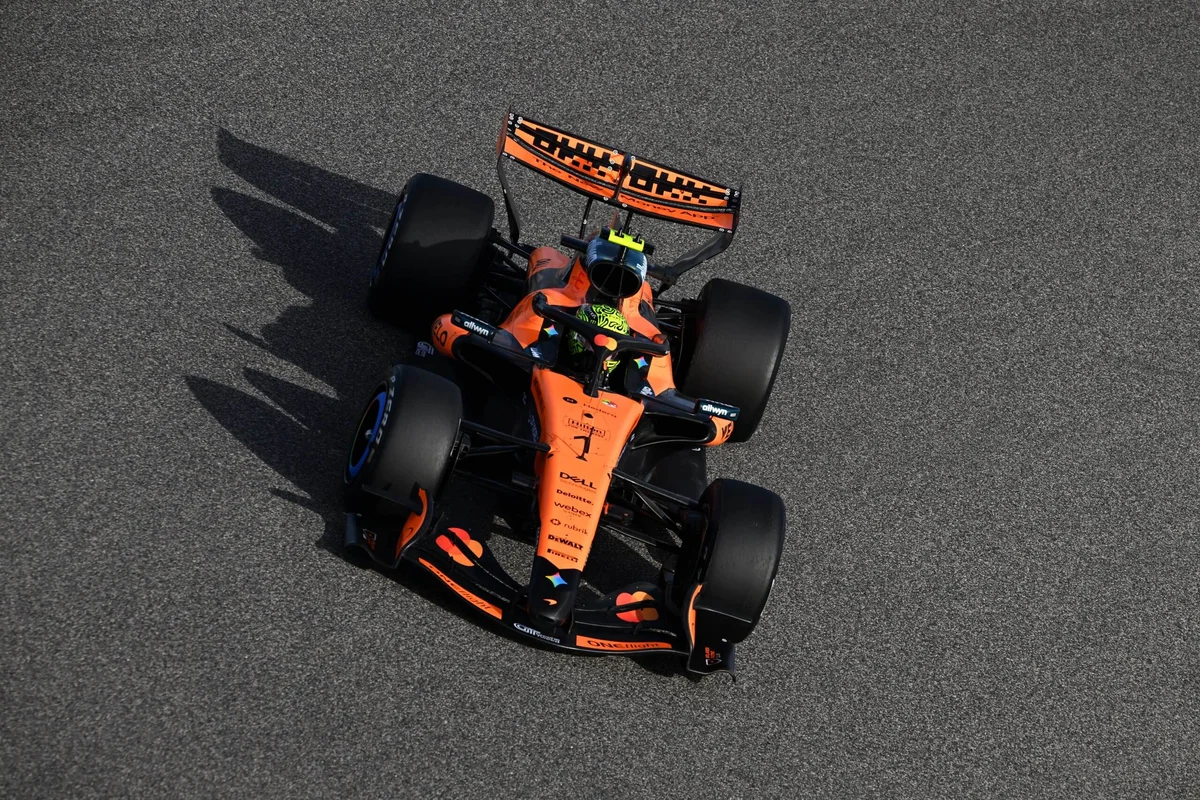
“Yeah, if he wants to retire, he can retire. I don’t expect Max is going to go out and not give a shit – he’s going to try and win. It certainly doesn’t feel as quick as the past few years, and it certainly doesn’t handle as perfectly. But I’m sure if he came into this and this was the F1 car he started driving, then he probably would say it’s amazing.”
Lando Norris further noted,
“Comparing to the older cars, it doesn’t feel as pretty and beautiful to drive, but it’s still pretty good. And it’s still early days, it’s early days of a regulation that’s meant to be a good amount slower. If we fast-forward to the end of this year and look into next year already, we’re going to be going a lot quicker by then.”
Norris Challenges Verstappen’s Criticism of Changes in F1
While Max Verstappen’s reactions to the new regulations have been openly negative, Lando Norris argues that such complaints overlook the nature of Formula 1 as an ever-evolving sport. Norris pointed out that F1 frequently changes, sometimes in ways that improve driving and sometimes in ways that complicate it. Nonetheless, drivers are compensated handsomely to navigate these challenges, and he suggested Verstappen’s criticism may be unwarranted.
“Formula 1 changes all the time; sometimes it’s a bit better to drive, sometimes it’s not as good to drive. But we get paid a stupid amount of money to drive, so you can’t really complain at the end of the day. Any driver can go and find something else to do – it’s not like he has to be here, or any driver has to be here. It’s a challenge, but it’s a good, fun challenge for the engineers, for the drivers. It’s different.”
Norris also expressed gratitude for his position in the sport despite the difficulties presented by the new cars, remarking,
“You have to drive it in a different way and understand things differently and manage things differently, but I still get to drive cars and travel the world and have a lot of fun. So no, nothing to complain about.”
The Divergent Mindsets of Two Formula 1 Champions
Max Verstappen and Lando Norris embody contrasting attitudes toward the evolving landscape of Formula 1. Verstappen, a four-time champion with extensive achievements, remains openly critical of the 2026 car design and its effects on racing. Norris, as the reigning champion seeking to cement his own legacy, demonstrates a more accepting and adaptive stance toward the sport’s changing conditions.
The debate highlights broader tensions within Formula 1 as it advances toward increased sustainability and technological complexity. The differing responses also reflect added pressures on drivers to master new engineering challenges while competing at the highest level.
Looking ahead, the 2026 regulations are expected to continue evolving, with teams and drivers working to enhance car speed and handling throughout the season. This ongoing development will likely shape driver performances and fan experiences in the seasons to come, underscoring the dynamic nature of Formula 1’s progression.
