
The opening of the 2026 Formula 1 season introduced a set of innovative rules aimed at transforming the sport with lighter chassis, active aerodynamics, and power units focused on electrical energy management. However, after the Australian Grand Prix, these changes have been met with widespread dissatisfaction among drivers and teams, who say the new format undermines the traditional essence of racing.
Max Verstappen, a longtime critic of the upcoming regulations, had predicted these negative outcomes but was largely dismissed during development. Now, with the season underway, his concerns resonate as the sport confronts the challenge of whether urgent adjustments are necessary to retain drivers’ enthusiasm and fan interest amid rising safety issues.
Energy Management Rules Shape Racing but Draw Mixed Reactions
The revised technical framework centers on managing battery usage and electrical boosts, restricting power deployment to 350kW and limiting super clipping (a rapid charging technique) to 250kW. These constraints create a cyclical pattern where drivers activate temporary power surges combining combustion and electric energy—reaching up to 750kW—only to face subsequent energy depletion and slower pace.
Charles Leclerc compared this dynamic to “the mushroom in Mario Kart,” capturing both the strategic element and the artificial nature of the racing. Though on-track overtakes have increased, many are perceived as artificial, relying on energy differences rather than driver skill.
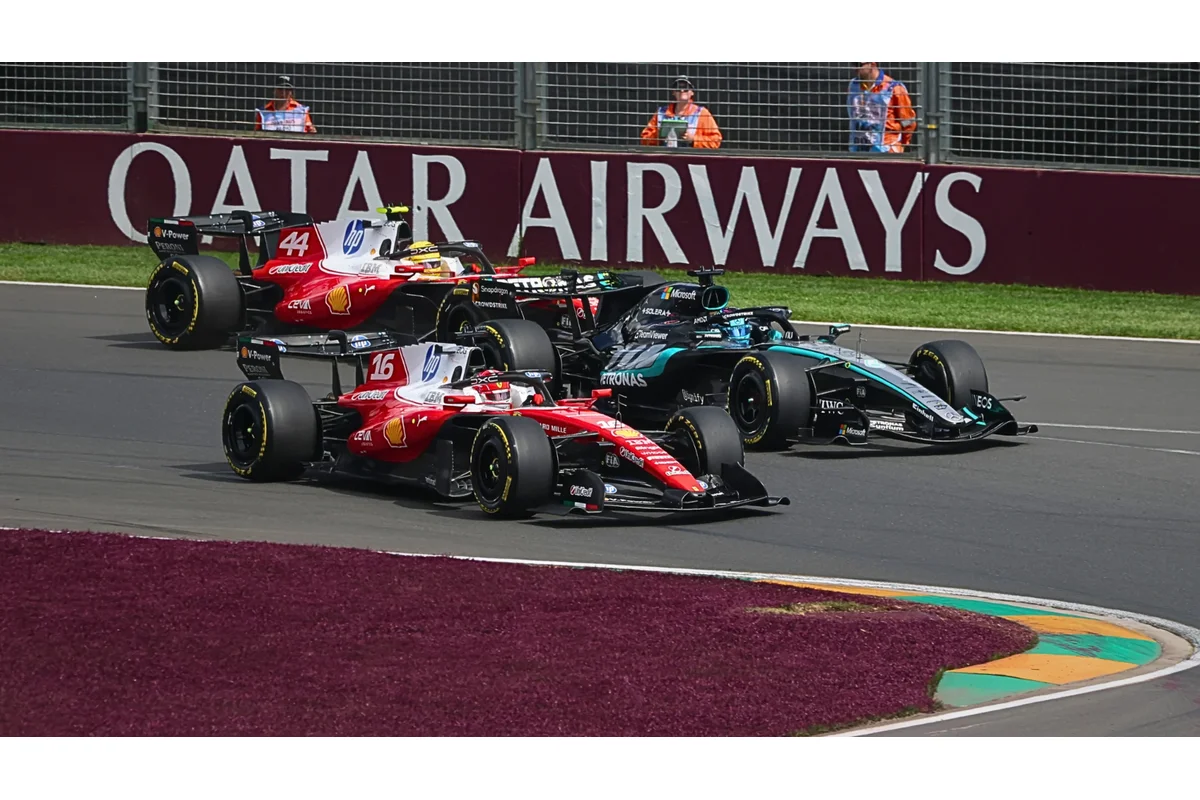
Leading Drivers Express Frustration Over Race Experience
The majority of drivers have voiced strong criticism. Verstappen, who started near the back and finished sixth at Albert Park, underscored his disappointment:
“I do care about it, I do love racing, and I want it to be better than this… We can only take so much.”
Lando Norris was even more critical, lamenting the drastic decline in car quality and the artificiality of the racing:
“very artificial… You just get overtaken by five cars or you can just do nothing about it sometimes.”
Esteban Ocon described the situation as “frustrating” and “painful,” while Liam Lawson remarked:
“not super fun to drive in the race.”
Sergio Pérez and Pierre Gasly shared similar views, with Pérez calling the experience
“a lot less fun… too artificial”
and Gasly stating it “wasn’t natural” and diminished “pure driving.”
Diverging Opinions Highlight Debate on New Racing Style
Despite the widespread discontent, not all competitors reject the new rules outright. Lewis Hamilton praised the race as “really fun” and the car as “really, really fun to drive,” highlighting a contrast in reception. Charles Leclerc emphasized the evolving strategic dimension brought by energy boosts:
“It will definitely change the way we go about racing… Every boost button activation, you know you’re going to pay the price big time after that.”
George Russell defended the changes and addressed critics like Norris as “sore losers,” speculating that opinions may shift with victories. This division reflects a key tension: while some drivers value the strategic elements, the majority feel the focus on energy management reduces driver influence and race excitement.
Growing Safety Concerns Over High-Speed Differentials
Safety has emerged as a critical issue, with Norris warning of “major safety risks” due to closing speed differences up to 50km/h, which could cause severe accidents. He warned:
“You can have a 30/40/50km/h speed difference… That’s a pretty horrible thing to think about.”
Incidents like Franco Colapinto narrowly avoiding Liam Lawson at the race start highlight these dangers. Andrea Stella from McLaren, who had raised similar concerns during testing, called for immediate action:
“We should not be happy because nothing happened… We should be always on the forefoot when it has to do with safety.”
He emphasized the need to reduce speed disparities, especially at race starts, to prevent potential disasters.
The FIA and Teams Weigh Potential Rule Adjustments
Following pre-season agreements, the FIA and teams are carefully monitoring the impact of the new rules after several races to avoid snap decisions. Nikolas Tombazis, FIA single-seater director, announced plans to reassess the regulations after the Chinese Grand Prix, mentioning potential adjustments including changes to energy harvesting, power deployment, super clipping limits, or internal combustion engine output. He noted:
“a few aces up our sleeves.”
Such modifications could be implemented as soon as the Japanese Grand Prix on March 29 if deemed necessary.
James Vowles of Williams cautioned against hasty changes, observing that the energy-starved track at Albert Park exaggerated problems:
“The worst thing we can do is change it and make it worse.”
Mercedes team principal Toto Wolff highlighted the importance of balancing driver feedback with fan entertainment:
“We need to have a great spectacle… If it needs to be tweaked, we have the flexibility.”
Balancing Innovation Against Tradition and Safety Risks
Early attempts at modifying the regulations have already encountered challenges, such as the FIA’s reversal after briefly eliminating a “straightline mode” zone. Past shifts to new car designs have also faced resistance, including previous ground-effect models disliked by drivers.
Reflecting on the current situation, Vowles stated:
“Are we in the right place? No. Do we know exactly what to change to make it better? No… Watch this space!”
The tension between maintaining the intended innovation and addressing driver concerns is apparent. F1 now confronts a difficult path: either uphold the controversial 2026 regulations and risk ongoing driver dissatisfaction and safety issues or alter them mid-season with uncertain consequences.
As Verstappen’s warnings come to light, the sport awaits data from upcoming races, particularly in China, to inform its decisions. Andrea Stella summed up the predicament:
“We should not be happy because nothing happened… We should be always on the forefoot when it has to do with safety.”
The remaining events will determine whether the 2026 regulations represent a pivotal evolution for Formula 1 or a momentary misstep requiring urgent correction.
